How to Choose the Right Laboratory Autoclave for Cannabis Labs
Learn how to choose the best laboratory autoclave for your cannabis lab based on capacity, applications, and sterilization needs.
Meta Title: Laboratory Autoclave: How to Choose the Right One for Your Cannabis Lab
Meta Description: Learn how to choose the best laboratory autoclave for your cannabis lab based on capacity, applications, and sterilization needs.
URL Slug: /laboratory-autoclave
Introduction
Maintaining a clean and controlled laboratory environment is essential for cannabis testing, research, product development, and quality assurance. While extraction equipment often receives the most attention, proper sterilization plays a major role in protecting samples, preventing contamination, and supporting reliable laboratory results. Choosing the right laboratory autoclave helps cannabis labs maintain high standards of cleanliness while improving workflow efficiency.
Laboratory autoclaves use pressurized steam to sterilize laboratory tools, equipment, glassware, and other materials by eliminating microorganisms that could compromise testing or production. Whether your facility performs analytical testing, microbiological work, or research and development, selecting the appropriate autoclave ensures your sterilization process supports both productivity and laboratory best practices.
Many cannabis laboratories rely on GreenLabGear to source laboratory equipment that improves operational efficiency and supports long-term growth. This guide explains how laboratory autoclaves work, the factors to consider before purchasing one, and how to choose the right system for your cannabis lab.
TLDR – Quick Guide
- Laboratory autoclaves sterilize equipment using high-pressure steam.
- They help reduce contamination risks during laboratory operations.
- Capacity should match your daily sterilization needs.
- Cycle time affects laboratory productivity.
- Chamber size influences workflow efficiency.
- Biosafety cabinets and support equipment complement sterilization workflows.
- Routine maintenance is essential for reliable performance.
- Select an autoclave based on current and future laboratory requirements.
Detailed Breakdown
What Is a Laboratory Autoclave?
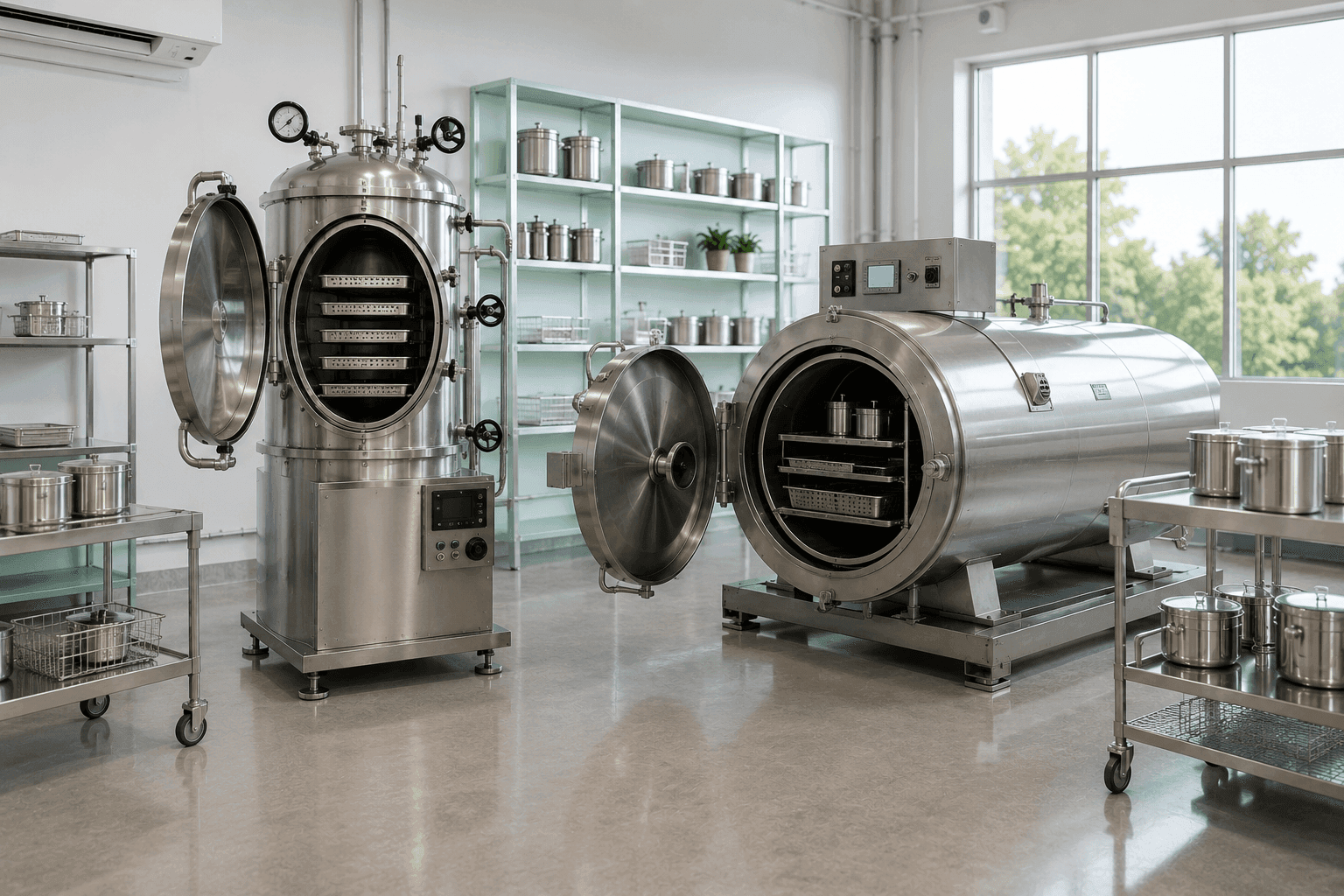
A laboratory autoclave is a sterilization device that uses pressurized steam and high temperatures to eliminate bacteria, fungi, viruses, and other microorganisms from laboratory equipment and materials.
Modern Sterilizers & Autoclaves are widely used in pharmaceutical laboratories, research institutions, biotechnology facilities, and cannabis laboratories because they provide a dependable method for sterilizing reusable laboratory equipment.
By maintaining proper sterilization protocols, laboratories can improve testing accuracy, reduce contamination risks, and support consistent research and quality control procedures.
Why Cannabis Laboratories Use Autoclaves
Cannabis laboratories frequently handle sensitive samples, laboratory glassware, reusable tools, and research materials that require sterilization before or after use.
A laboratory autoclave helps support:
- Quality control testing
- Research and development
- Microbiological analysis
- Laboratory sanitation
- Equipment sterilization
- Sample preparation
Proper sterilization reduces the likelihood of contamination that could affect laboratory results or product quality.
Key Factors to Consider When Choosing a Laboratory Autoclave
Not every autoclave is designed for the same workload. Before investing in one, evaluate how it will fit into your laboratory's daily operations.
Chamber Capacity
Capacity is one of the first factors to consider.
Think about:
- Number of sterilization cycles each day
- Size of laboratory instruments
- Volume of glassware
- Future laboratory growth
Choosing an autoclave that's too small may create workflow bottlenecks, while an oversized unit could increase operating costs unnecessarily.
Cycle Time
Sterilization speed directly affects laboratory productivity.
Shorter cycle times can help:
- Increase equipment availability
- Reduce workflow interruptions
- Improve laboratory efficiency
Facilities with high testing volumes often benefit from faster sterilization cycles.
Temperature and Pressure Control
Consistent temperature and pressure are essential for effective sterilization.
Look for equipment that offers:
- Precise temperature control
- Reliable pressure regulation
- Automated cycle management
- Consistent sterilization performance
These features help produce repeatable and dependable results.
Supporting Equipment for a Complete Laboratory
An autoclave is only one part of a well-equipped cannabis laboratory.
Biosafety Cabinets
Many laboratories also utilize Biosafety Cabinets to create controlled environments for handling sensitive samples.
Benefits include:
- Reduced contamination risk
- Improved sample protection
- Better operator safety
- Cleaner laboratory procedures
Using biosafety cabinets alongside autoclaves helps strengthen contamination control throughout the laboratory.
Support Equipment
Reliable Support Equipment helps laboratories stay organized and efficient.
Examples include:
- Laboratory carts
- Storage systems
- Workstations
- Utility equipment
- Material handling accessories
These tools improve workflow while supporting safer laboratory operations.
Processing Equipment
Some cannabis laboratories also integrate Processing Equipment into research, formulation, and product development workflows.
When sterilization, processing, and laboratory equipment work together, facilities benefit from more consistent operations and improved productivity.
Safety and Maintenance Considerations
Like any laboratory equipment, autoclaves require routine maintenance to operate safely and efficiently.
Best practices include:
- Following manufacturer maintenance schedules
- Inspecting door seals regularly
- Monitoring pressure and temperature performance
- Cleaning the chamber routinely
- Verifying sterilization cycles
Preventive maintenance helps extend equipment life while ensuring reliable sterilization performance.
Proper operator training is equally important for maintaining a safe laboratory environment.
Common Mistakes When Buying a Laboratory Autoclave
Choosing the wrong autoclave can reduce laboratory efficiency and increase long-term costs.
Avoid these common mistakes:
- Purchasing equipment without evaluating daily sterilization needs.
- Choosing capacity based only on current workloads.
- Ignoring cycle time and productivity requirements.
- Overlooking maintenance requirements.
- Focusing solely on purchase price instead of long-term value.
Selecting equipment based on your laboratory's workflow typically results in a better long-term investment.
How to Determine the Right Laboratory Autoclave
Before making a purchase, ask yourself:
- How many sterilization cycles are performed each day?
- What types of equipment require sterilization?
- How much laboratory space is available?
- Will testing volume increase in the future?
- Does the autoclave integrate well with existing laboratory equipment?
Answering these questions will help narrow your options and ensure your equipment supports both current operations and future growth.
Key Takeaways
- A laboratory autoclave is essential for sterilizing reusable laboratory equipment and reducing contamination risks.
- Chamber capacity should align with daily laboratory workloads.
- Fast cycle times improve productivity and equipment availability.
- Consistent temperature and pressure control ensure reliable sterilization.
- Biosafety cabinets help strengthen contamination control throughout the laboratory.
- Support equipment improves organization and operational efficiency.
- Routine maintenance helps maximize equipment performance and longevity.
- Choosing an autoclave based on long-term laboratory needs provides greater value than focusing on upfront cost alone.
FAQs
What is a laboratory autoclave used for?
A laboratory autoclave sterilizes laboratory tools, glassware, and equipment using high-pressure steam. It eliminates microorganisms that could contaminate research, testing, or production processes. This helps maintain clean and reliable laboratory conditions.
Why do cannabis laboratories use autoclaves?
Cannabis laboratories use autoclaves to sterilize reusable equipment and reduce contamination risks during testing and research. Proper sterilization helps improve the accuracy of laboratory work and supports quality assurance programs. It also contributes to a cleaner and safer laboratory environment.
How do I choose the right laboratory autoclave?
Consider your daily sterilization volume, chamber size requirements, cycle time, and available laboratory space. It's also important to evaluate future growth and how the autoclave will integrate with your existing workflow. Choosing the right capacity helps improve efficiency and reduce unnecessary operating costs.
Are biosafety cabinets and autoclaves used together?
Yes. Biosafety cabinets provide a controlled workspace for handling sensitive materials, while autoclaves sterilize equipment after use. Together, they help reduce contamination and support safe laboratory practices. Each plays a different but complementary role in maintaining laboratory cleanliness.
How often should a laboratory autoclave be maintained?
Maintenance schedules vary by manufacturer and usage frequency, but routine inspections and cleaning are essential. Regular maintenance helps ensure reliable sterilization performance and extends the lifespan of the equipment. Following the manufacturer's recommendations is the best way to maintain safe operation.