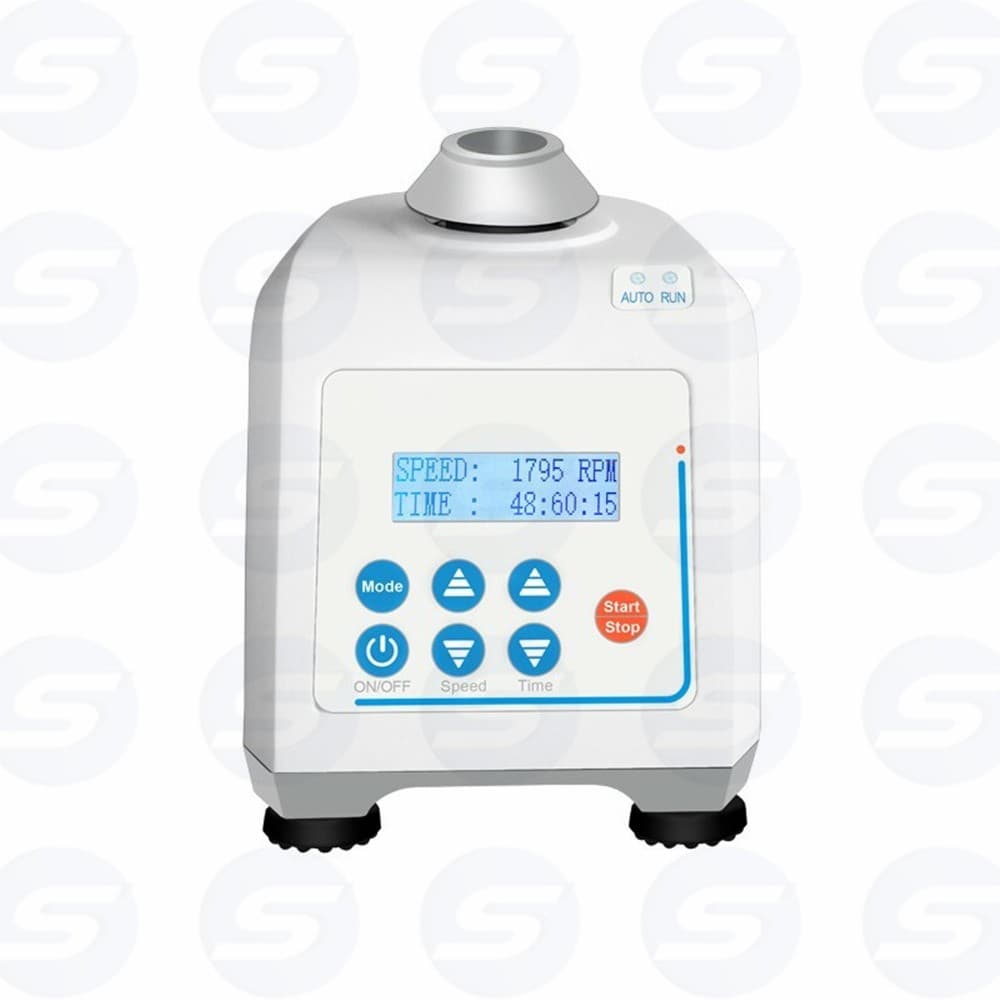
Orbital shakers, reciprocating shakers, vortex mixers, and overhead stirrers.
5
Products
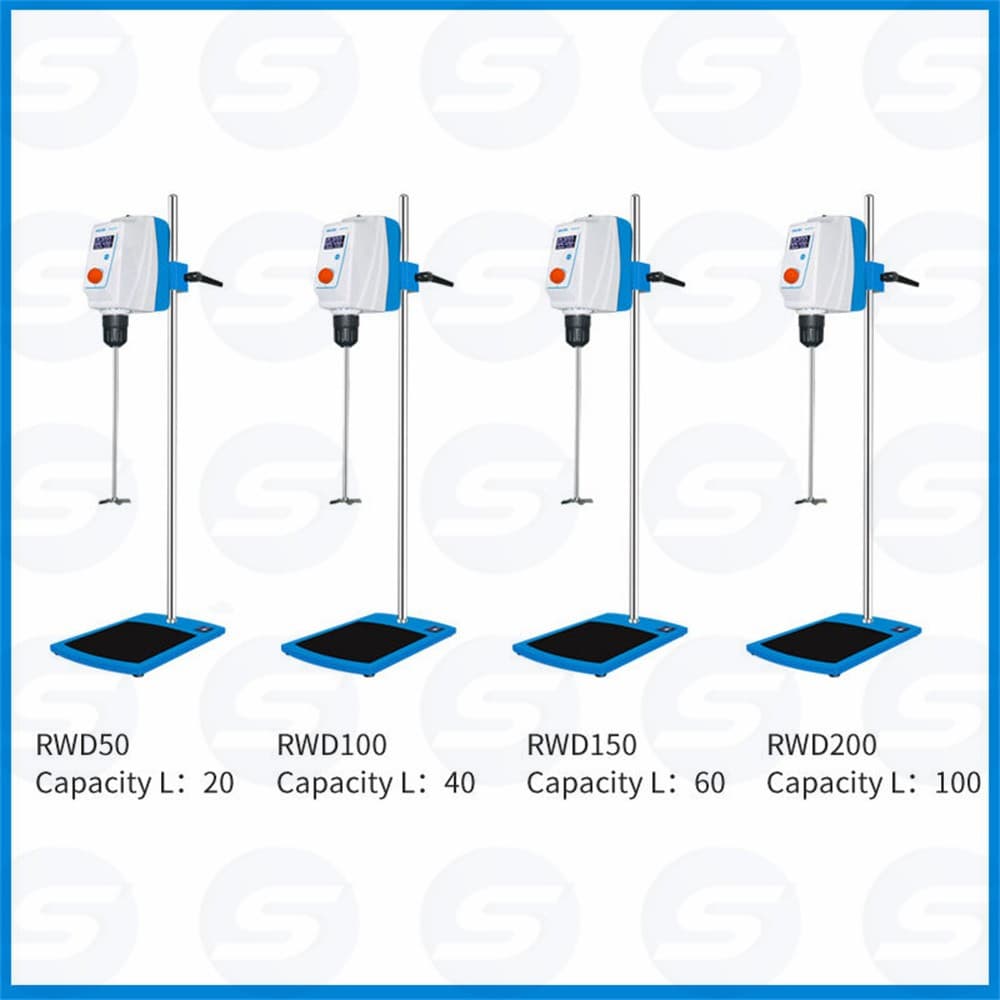
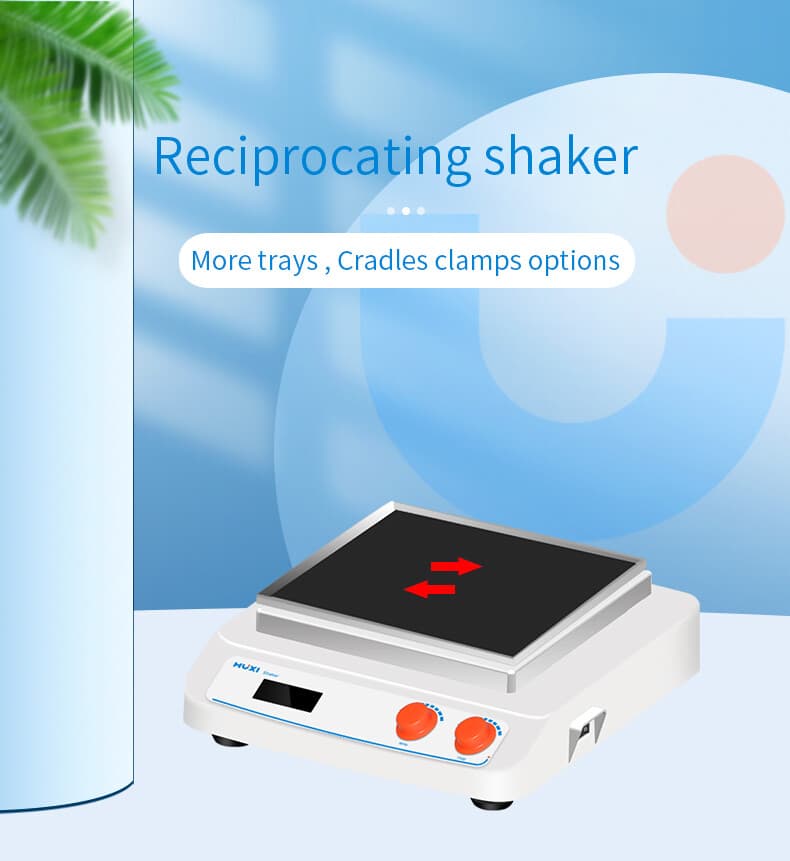
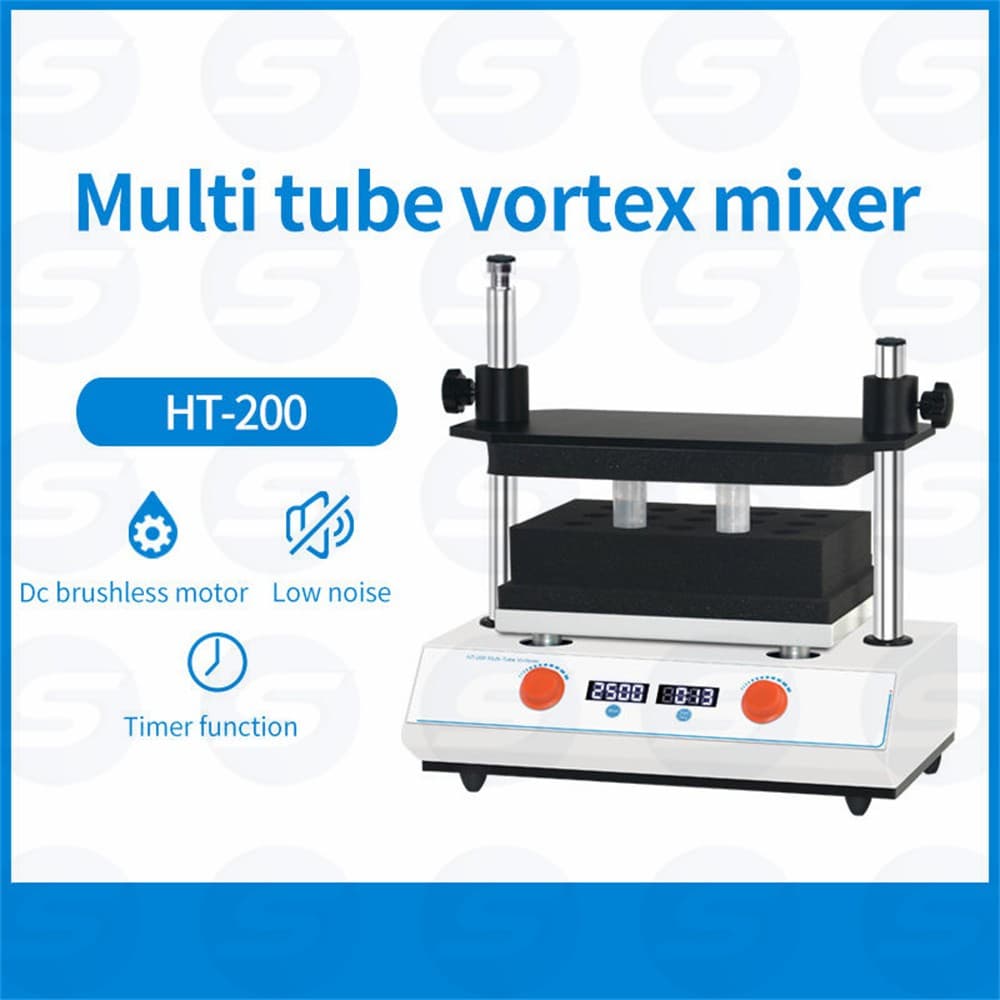
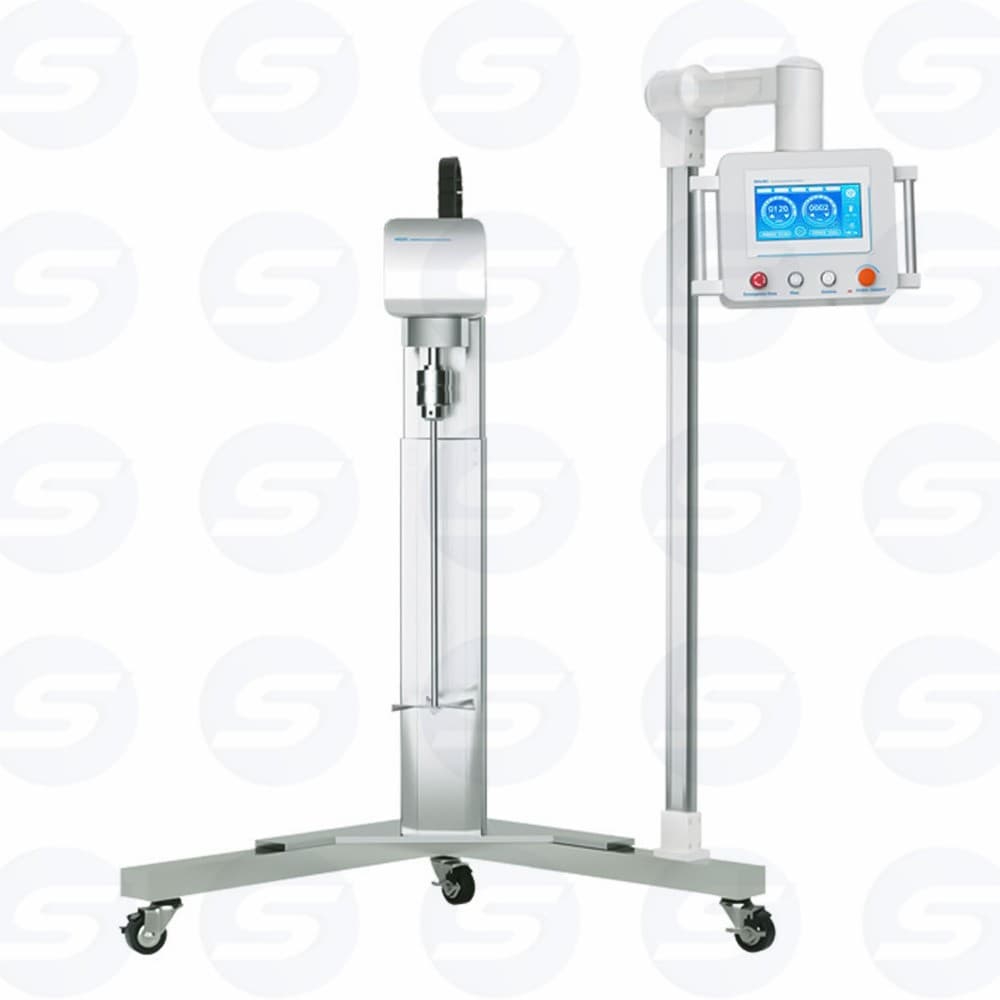
Shakers and mixers agitate samples for mixing, extraction, and culture, and the category spans four motion types. Orbital shakers move the platform in a circular path; reciprocating (linear) shakers move it back and forth in a straight line; vortex mixers spin small tubes rapidly to form a vortex; and overhead stirrers drive an impeller on a shaft for larger or more viscous volumes. Each motion produces a different flow pattern, so the right pick depends on the task.
Match the device to your sample. Orbital shakers (orbit/throw often 3-50 mm, speeds ~20-300 RPM, microplate units higher) suit cell culture, fermentation, and gentle homogeneous mixing. Linear shakers favor solid-liquid extraction, washes, and gel/membrane work. Vortex mixers (~500-3500 RPM) rapidly resuspend powders and mix small tubes. Overhead stirrers deliver the torque needed for viscous formulations a magnetic stir bar cannot move.
In a cannabis testing lab, orbital and linear shakers drive solid-liquid extraction of cannabinoids, pesticides, and heavy metals from plant material, edibles, and concentrates, and orbital shakers support microbial contamination assays. Vortex mixers prep standards and aliquots before chromatography. Overhead stirrers blend viscous concentrates, tinctures, creams, and emulsions at bench or pilot scale. Choose by orbital diameter or stroke, RPM range, and platform load capacity (vessels plus contents), plus any incubation needs.