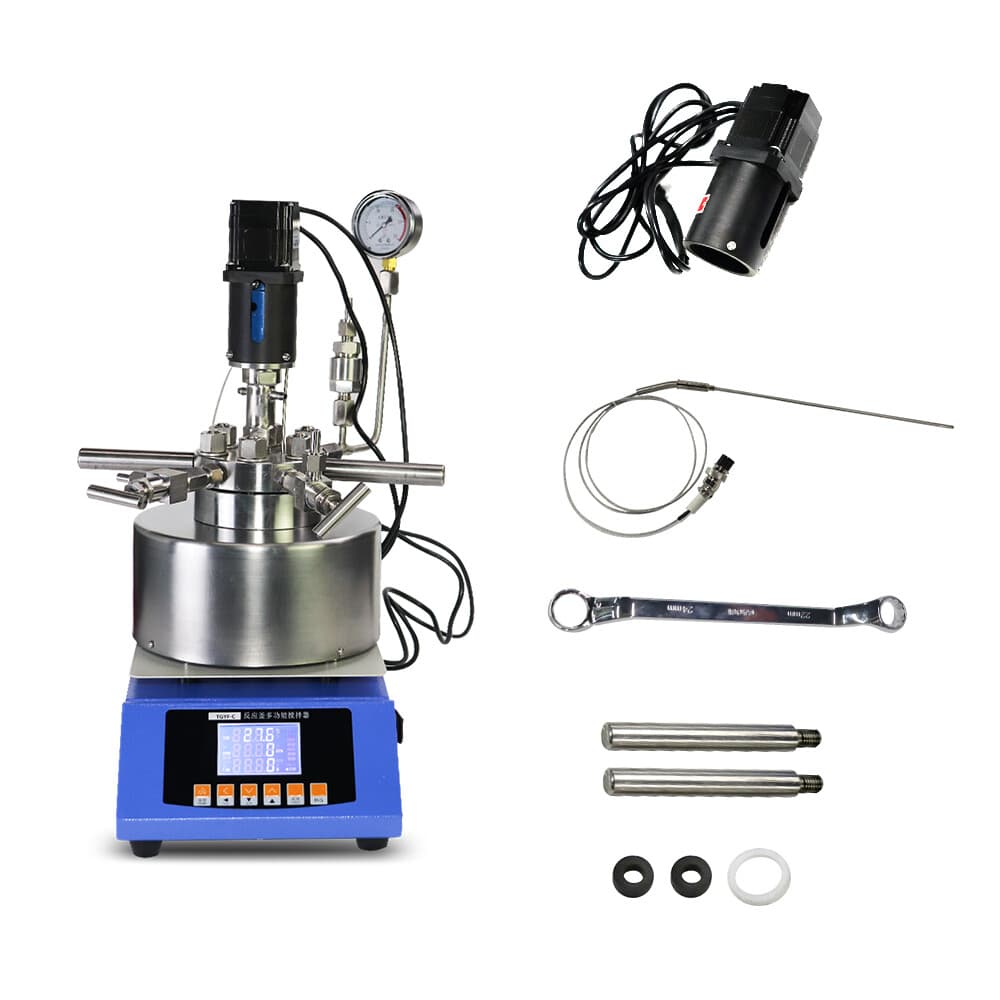
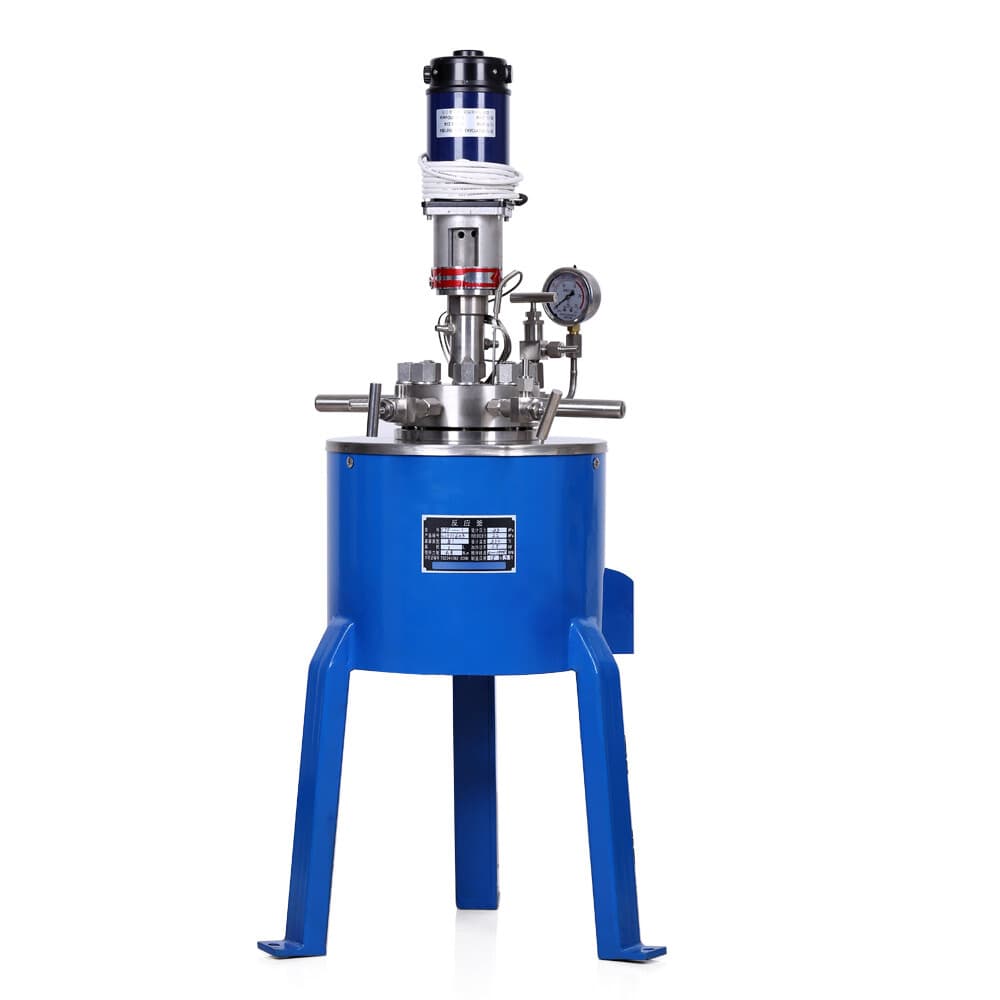
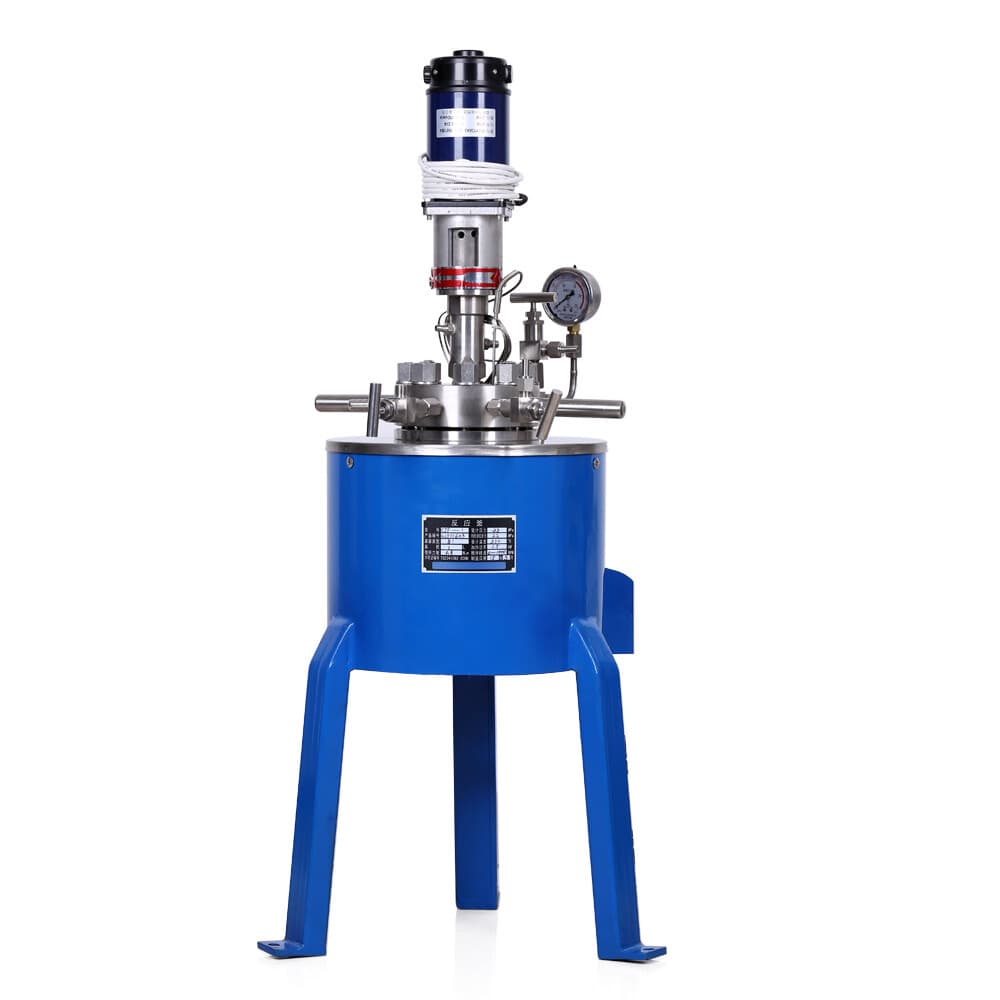
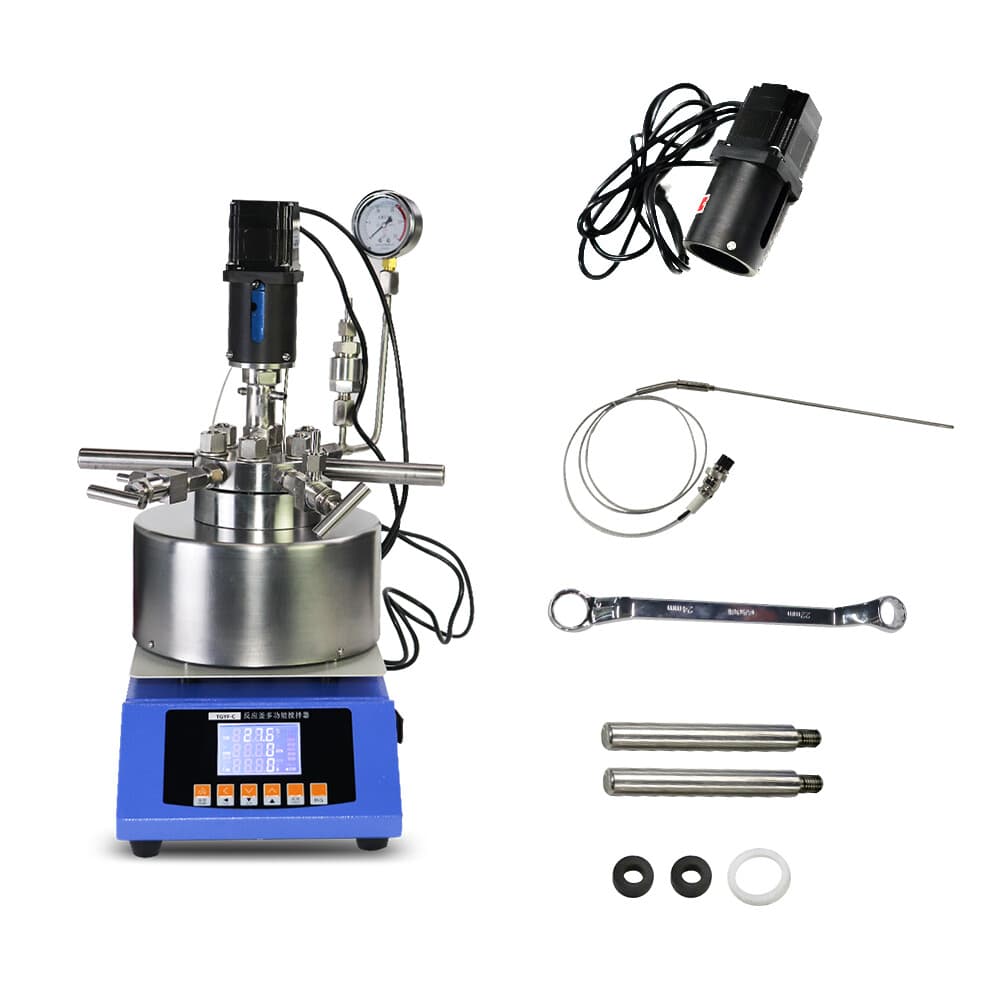
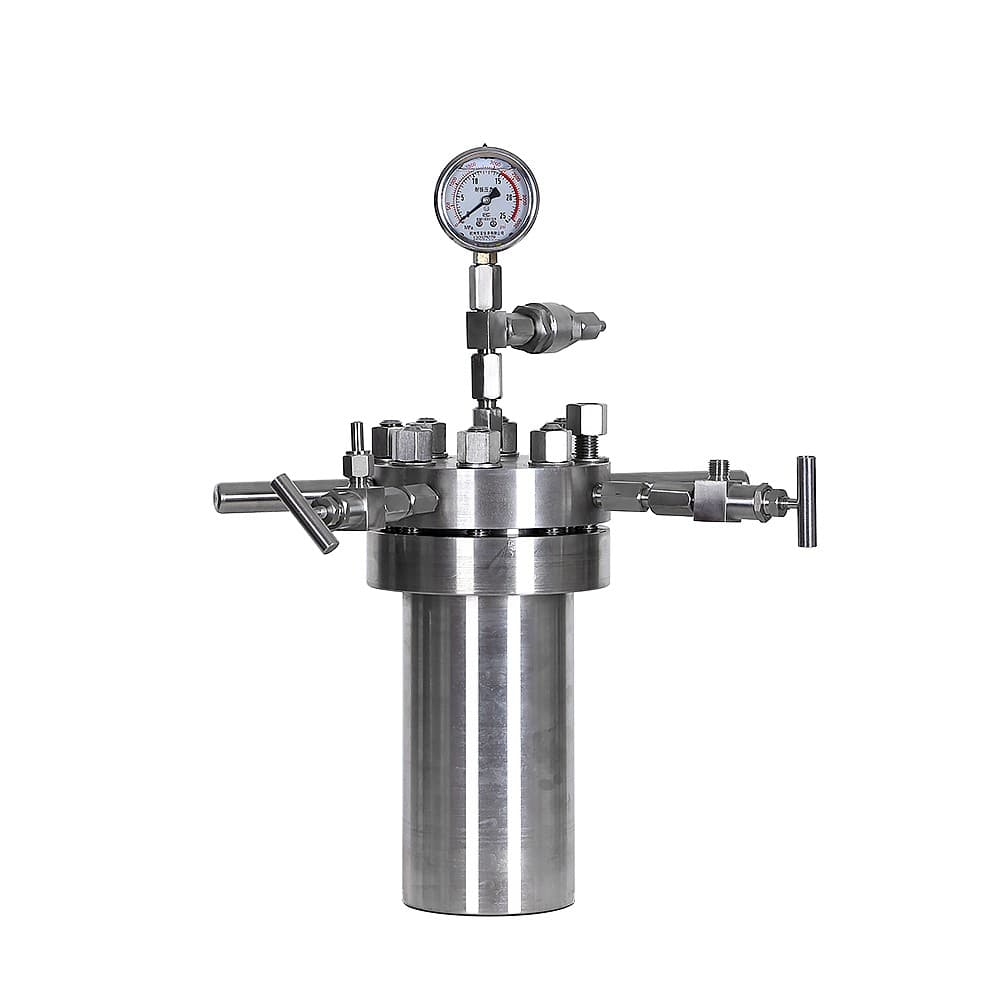
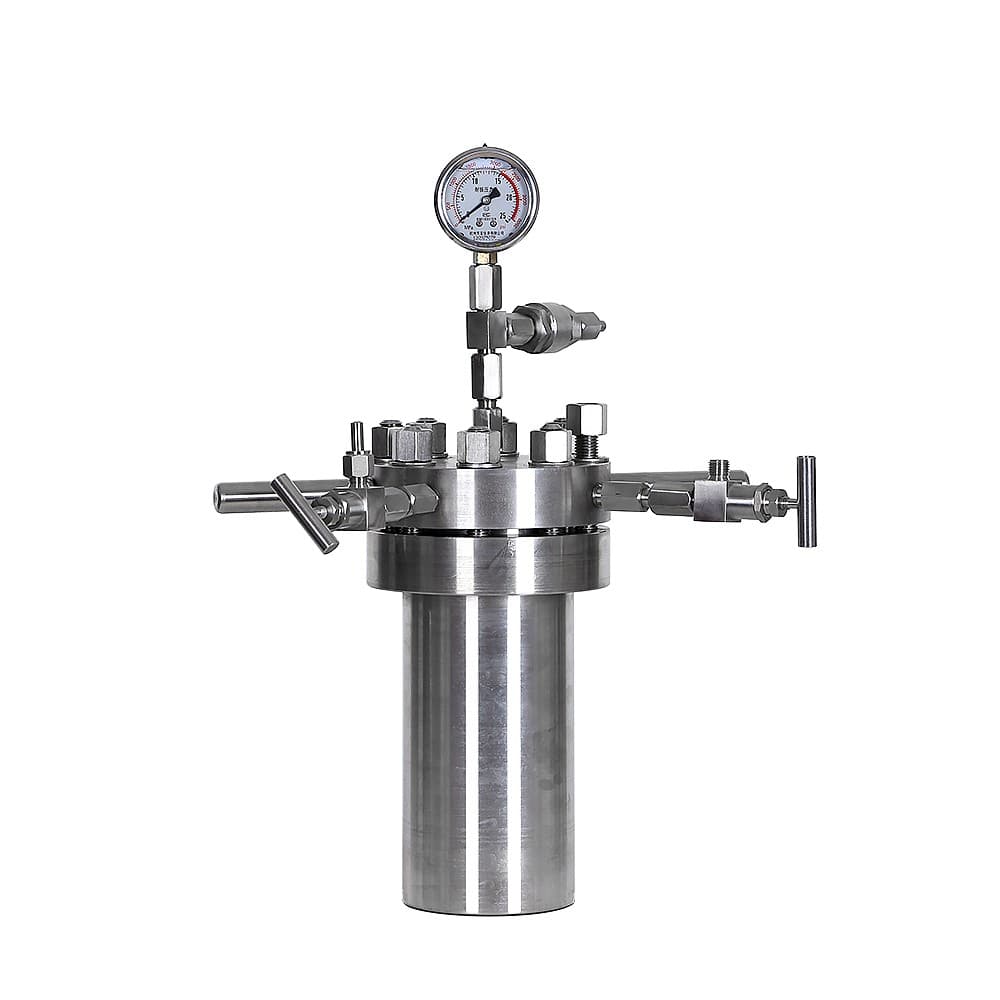
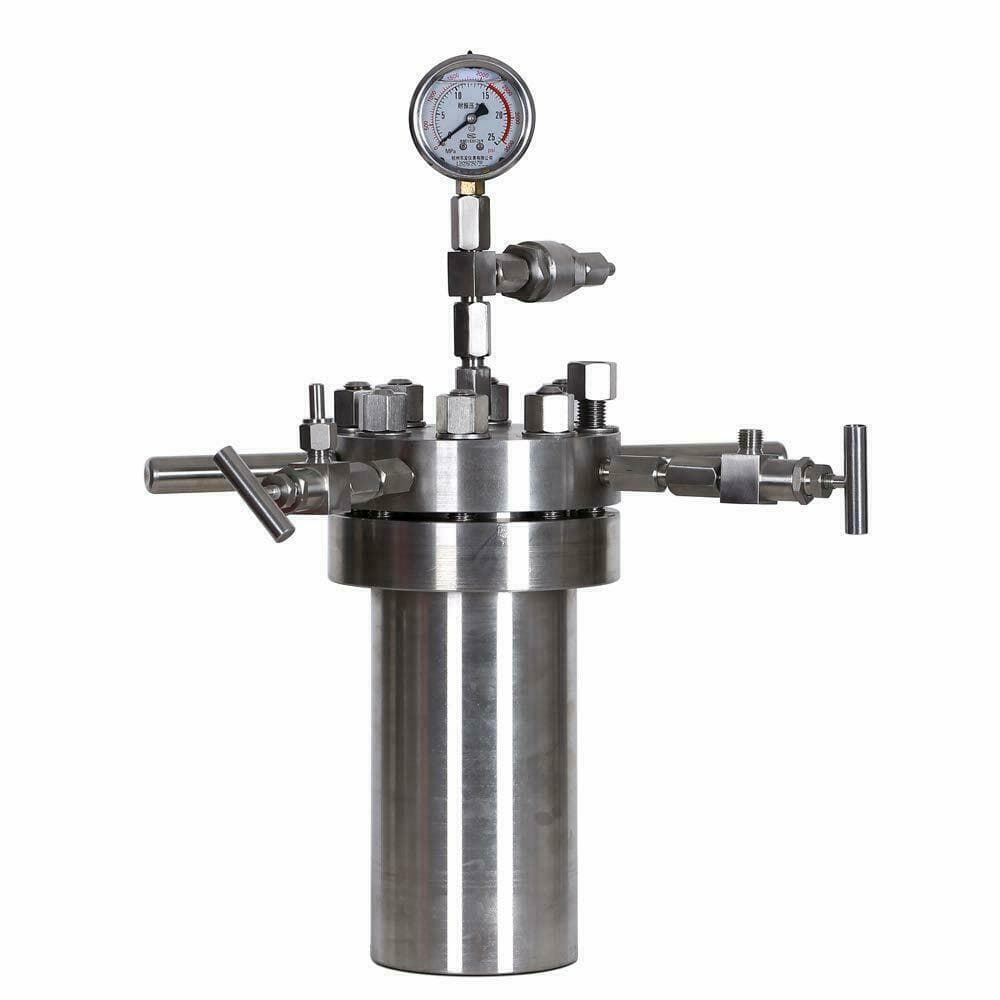
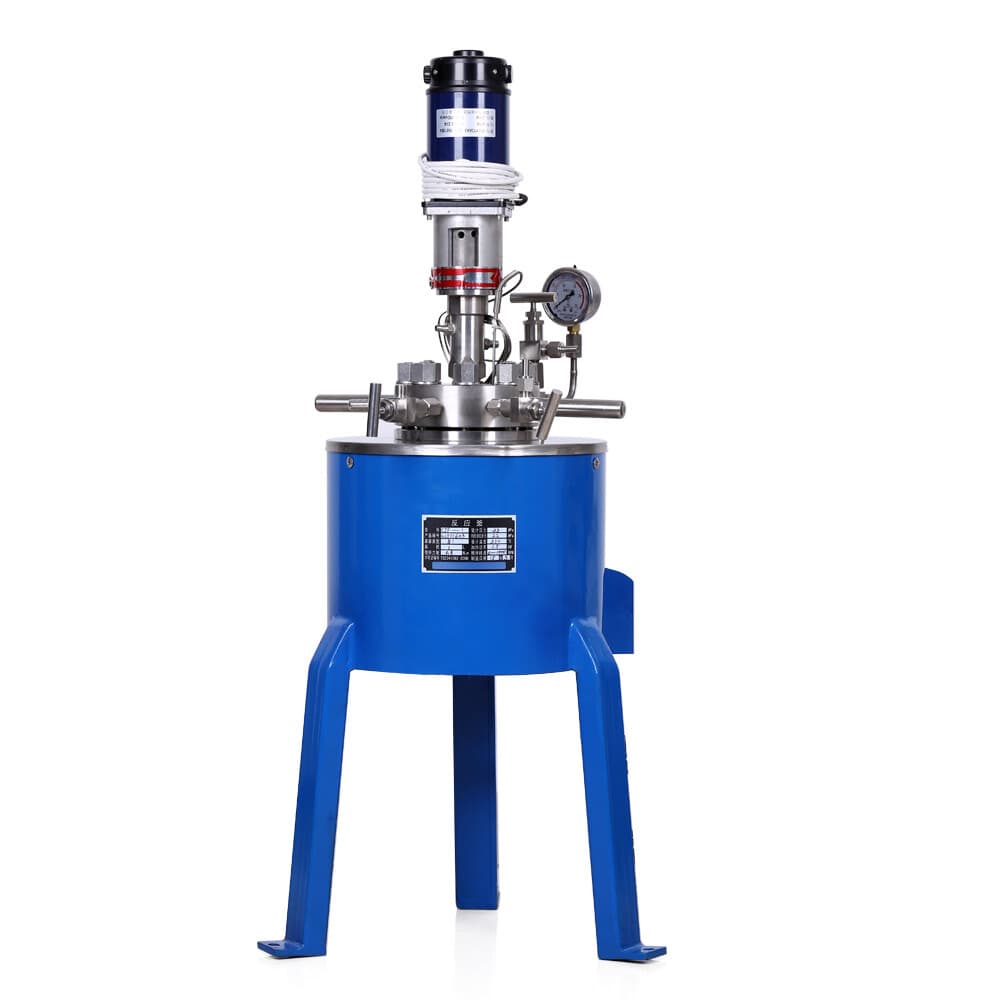
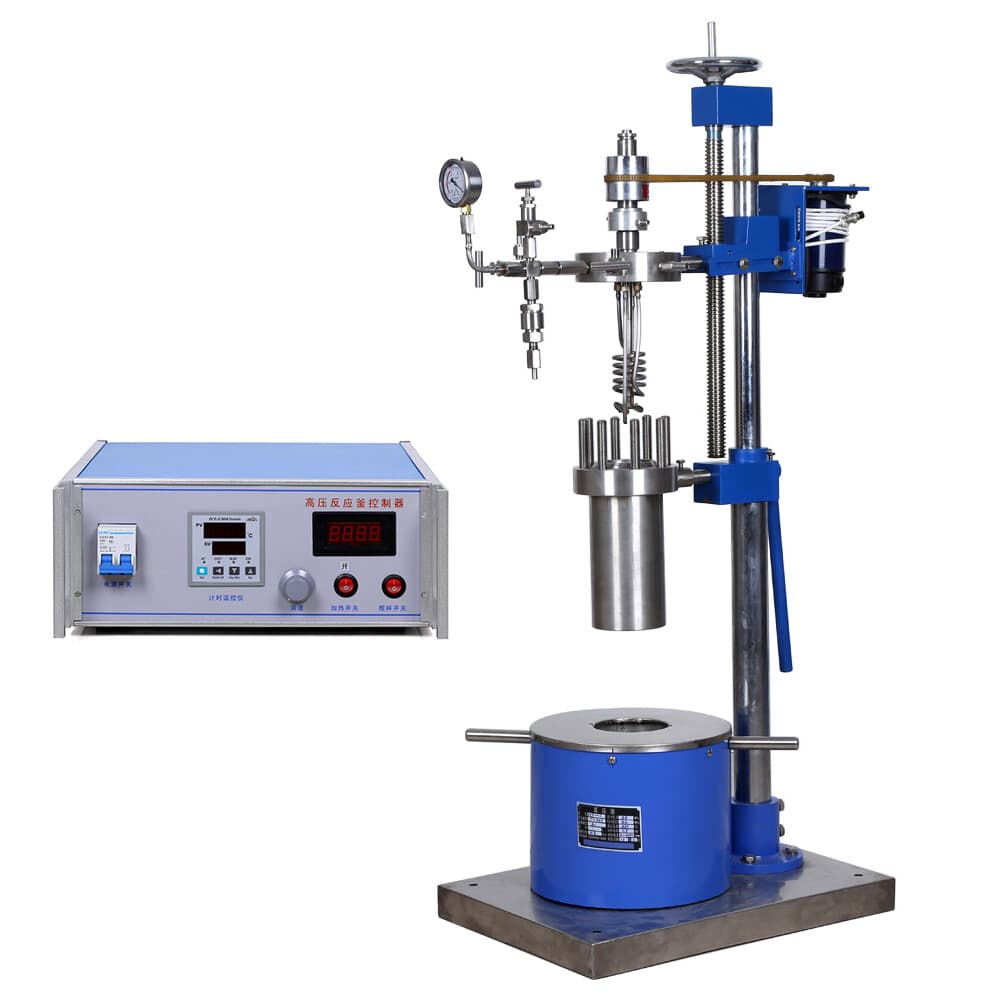
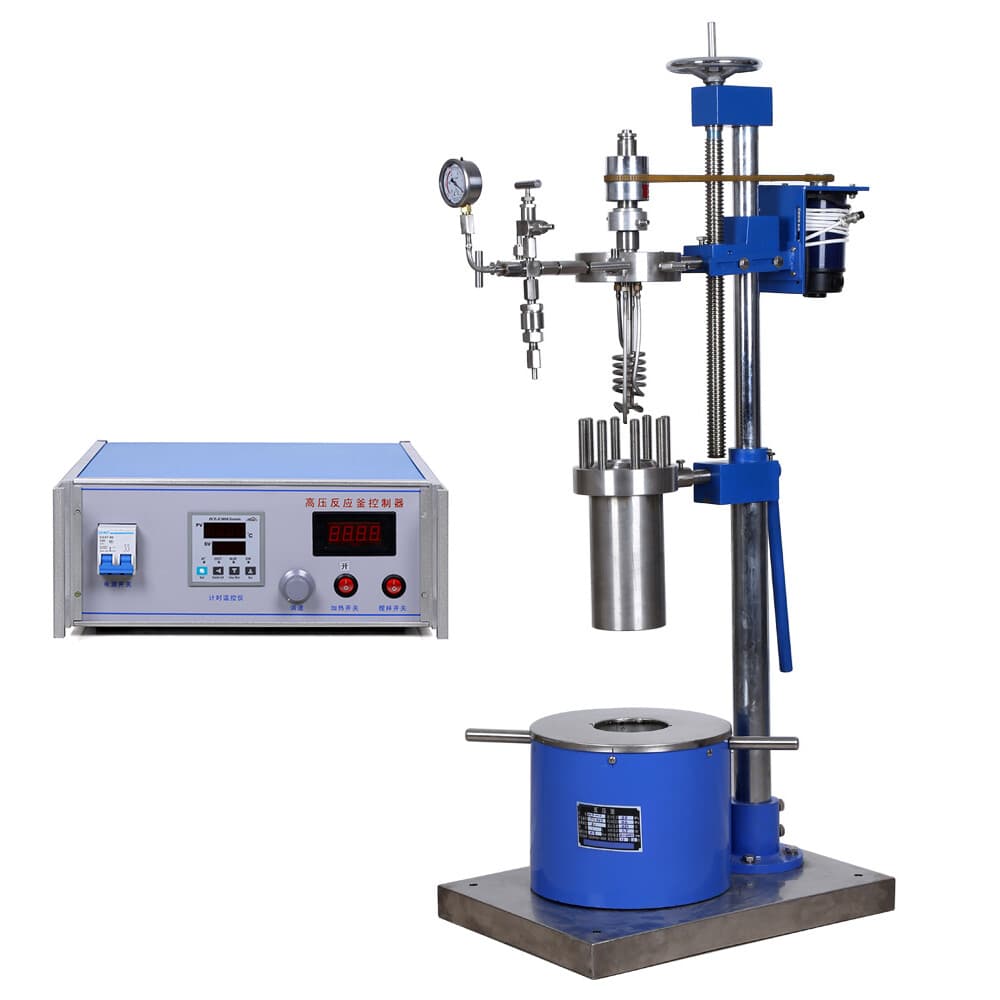
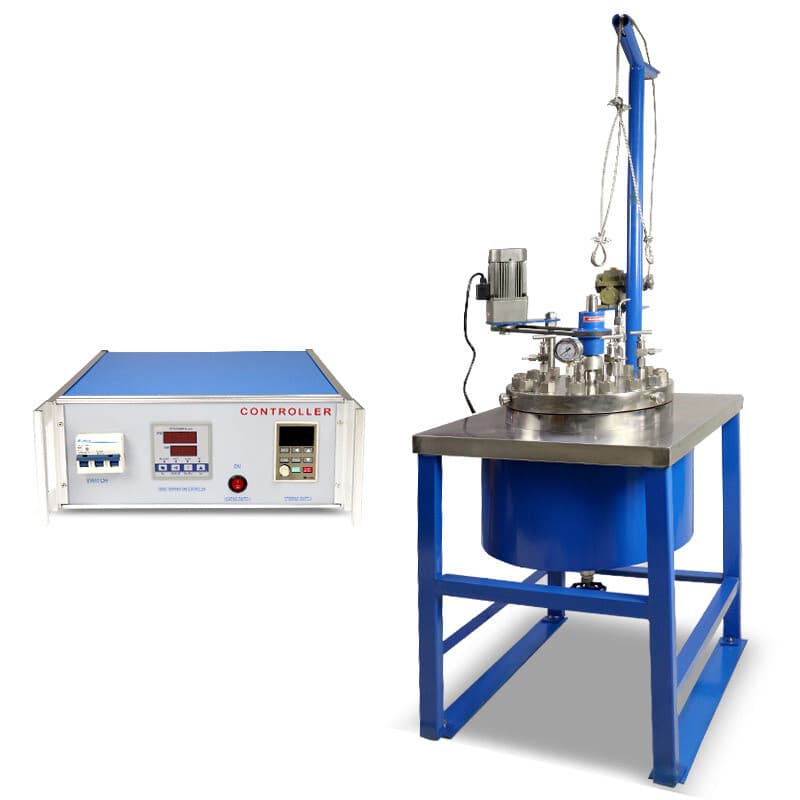
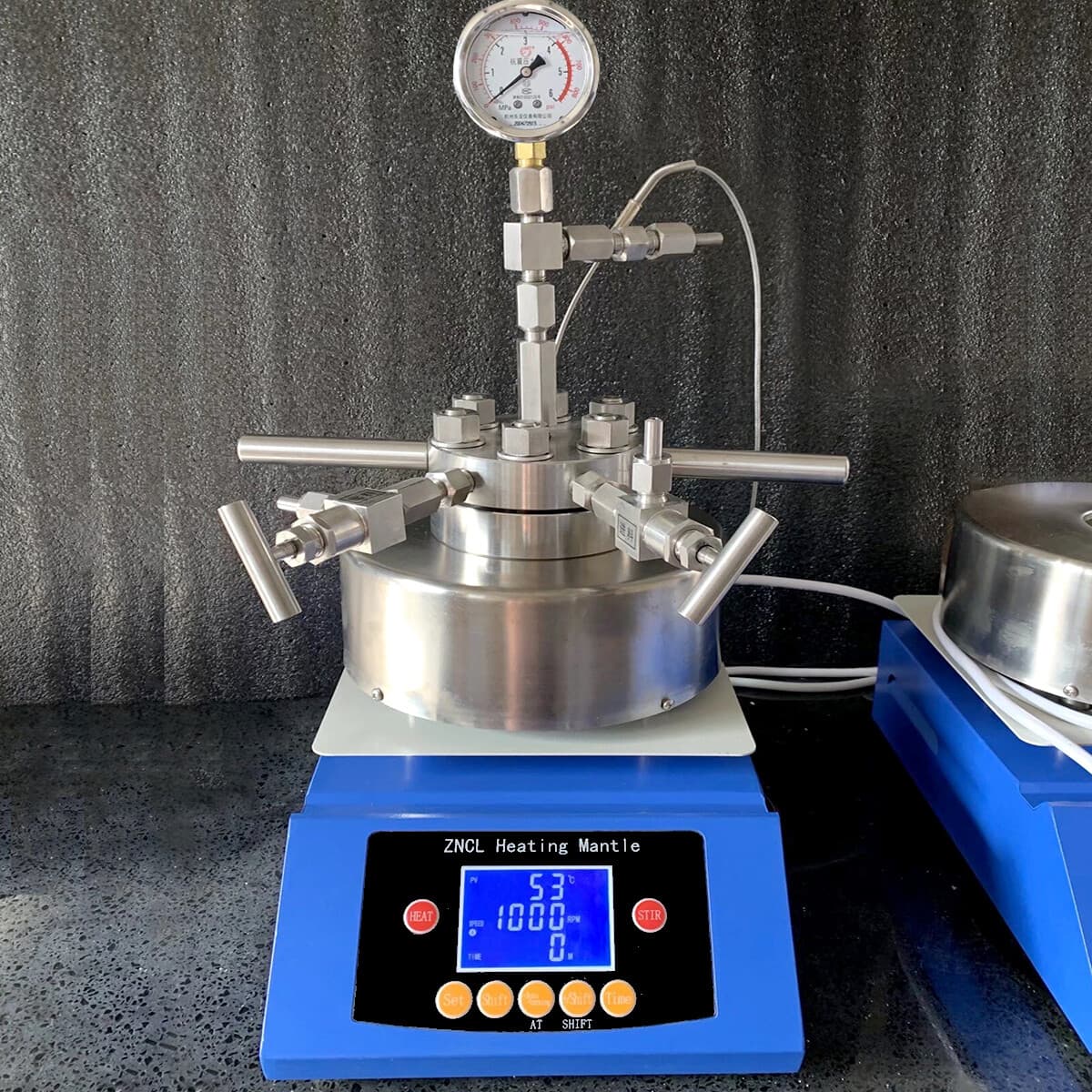
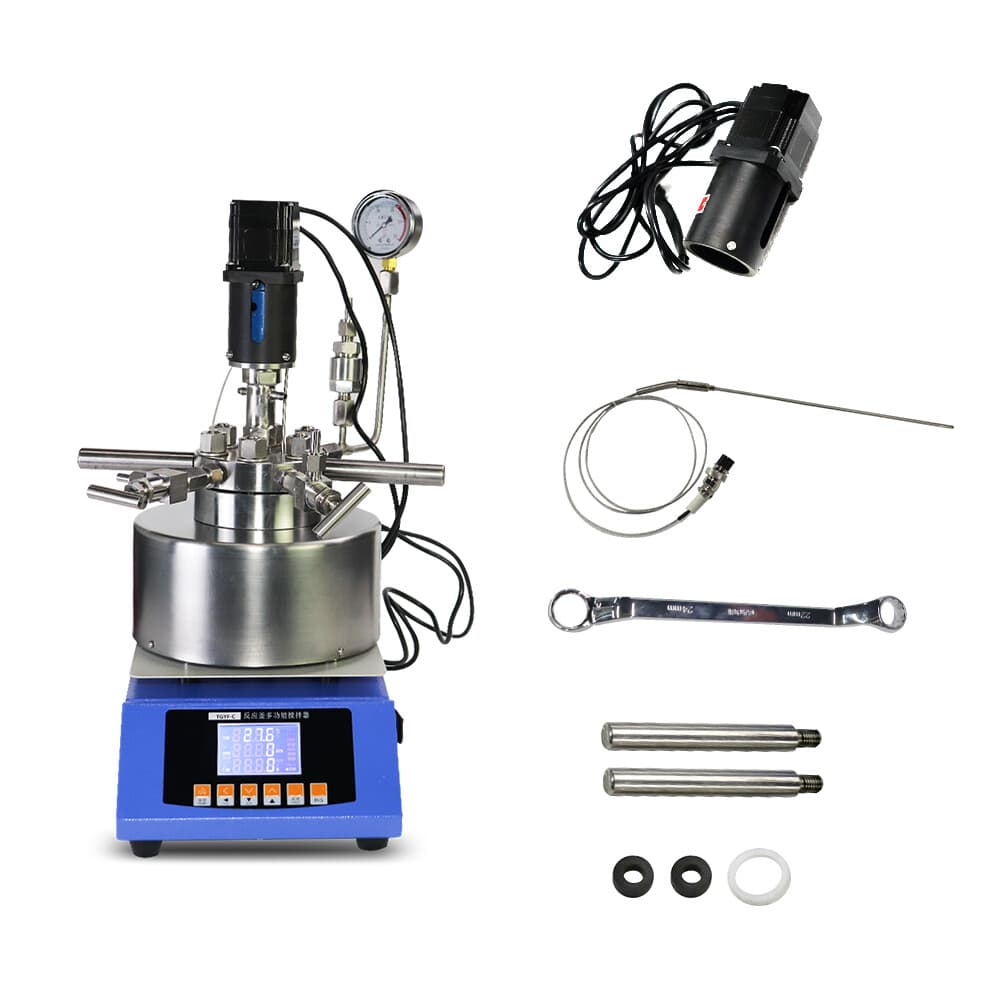
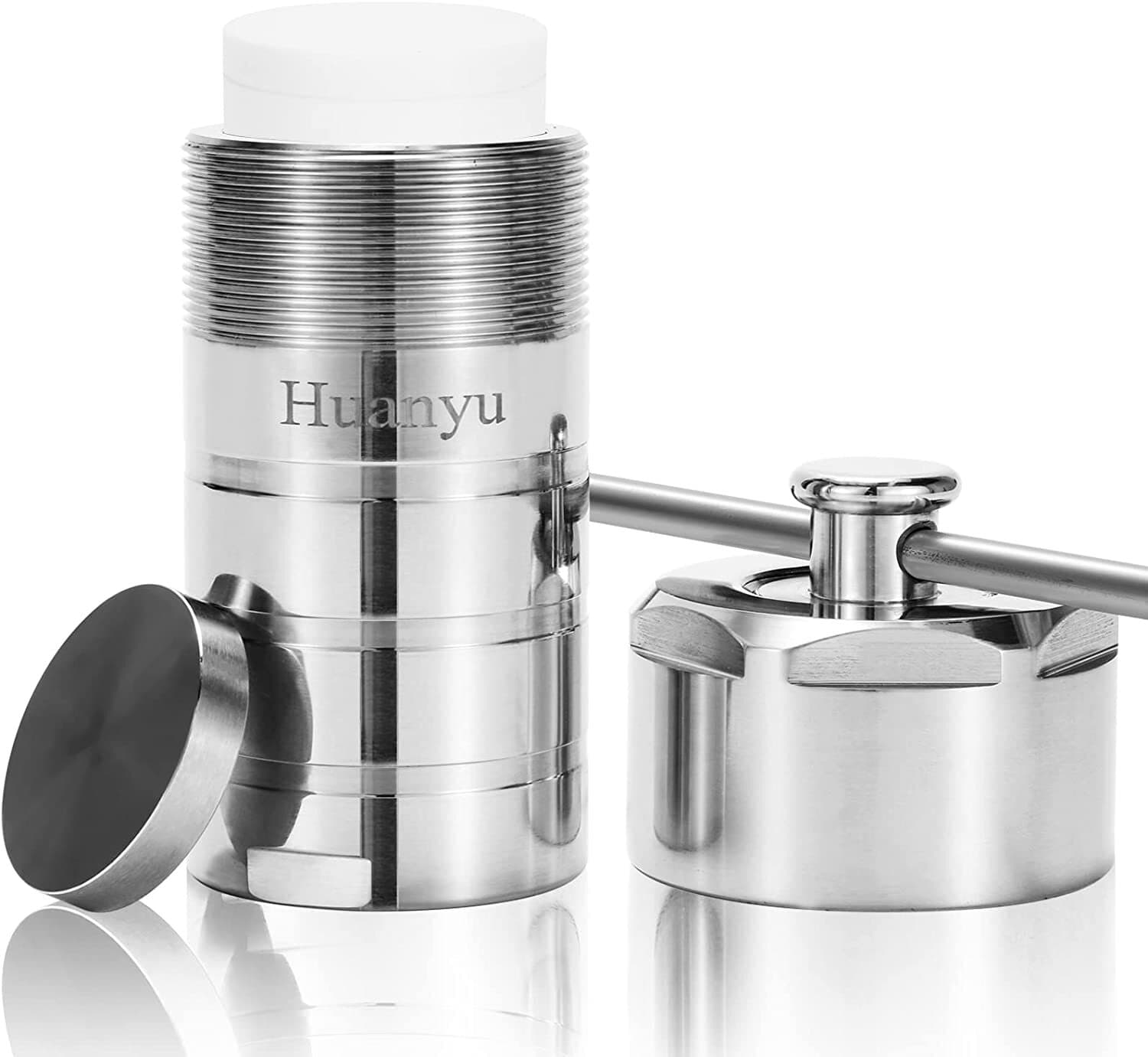
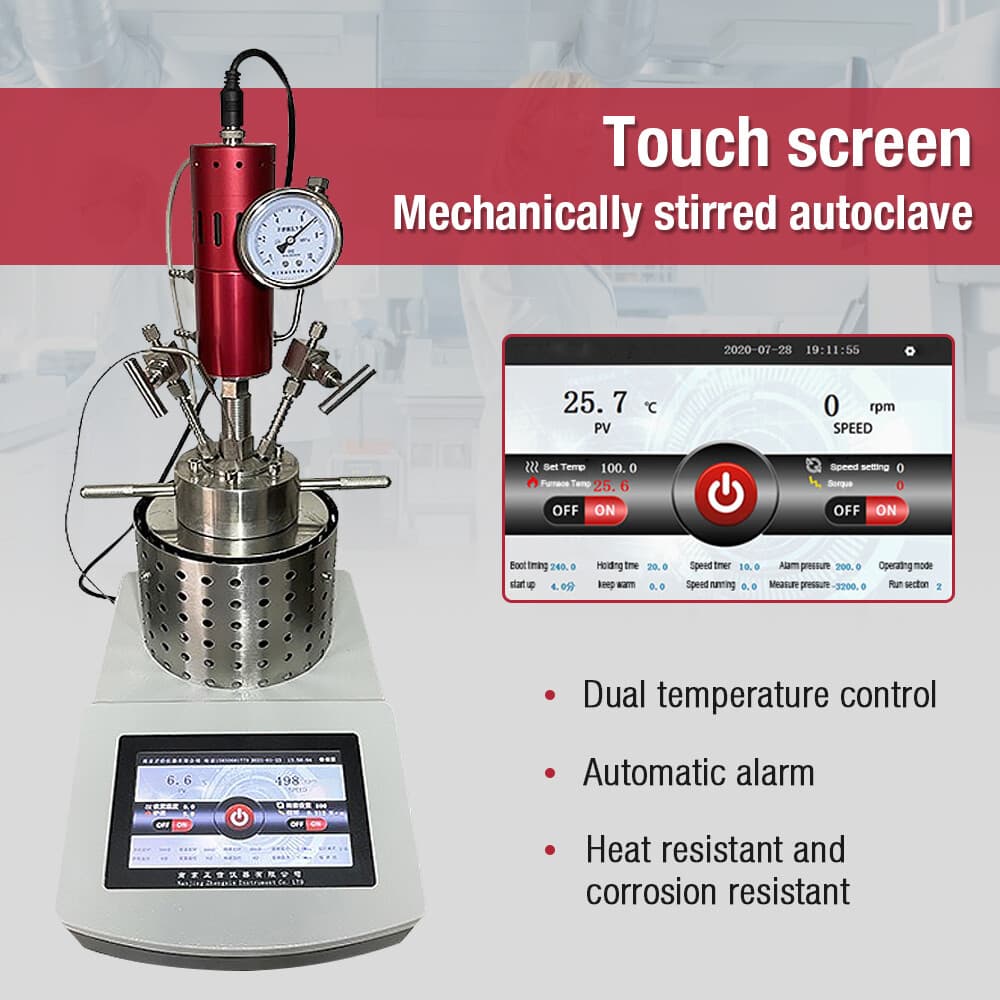
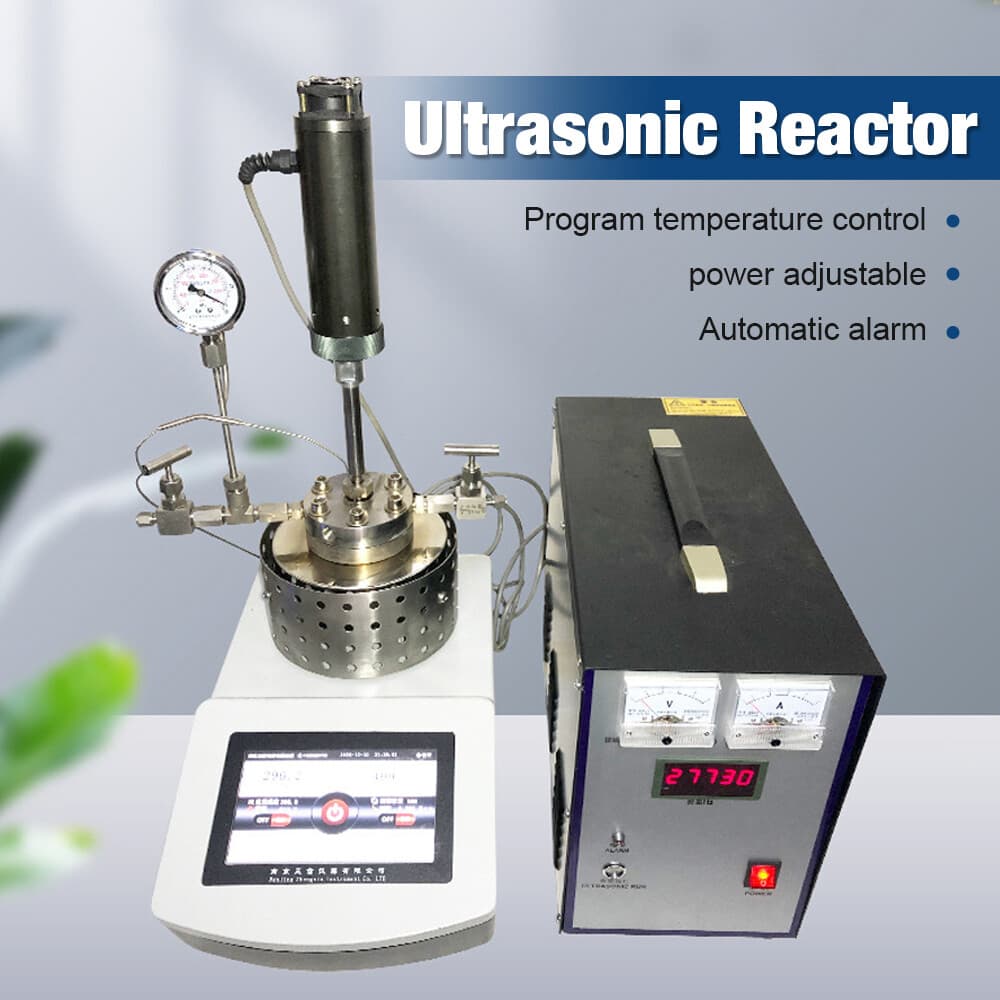
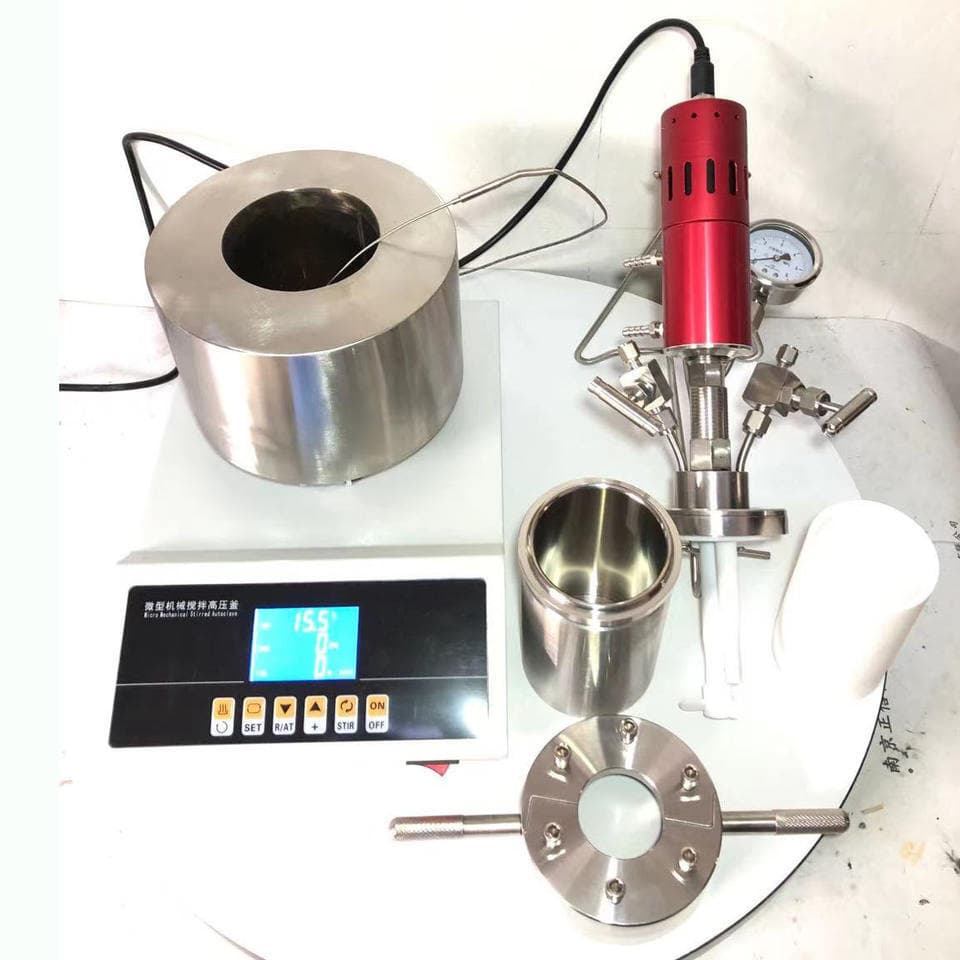
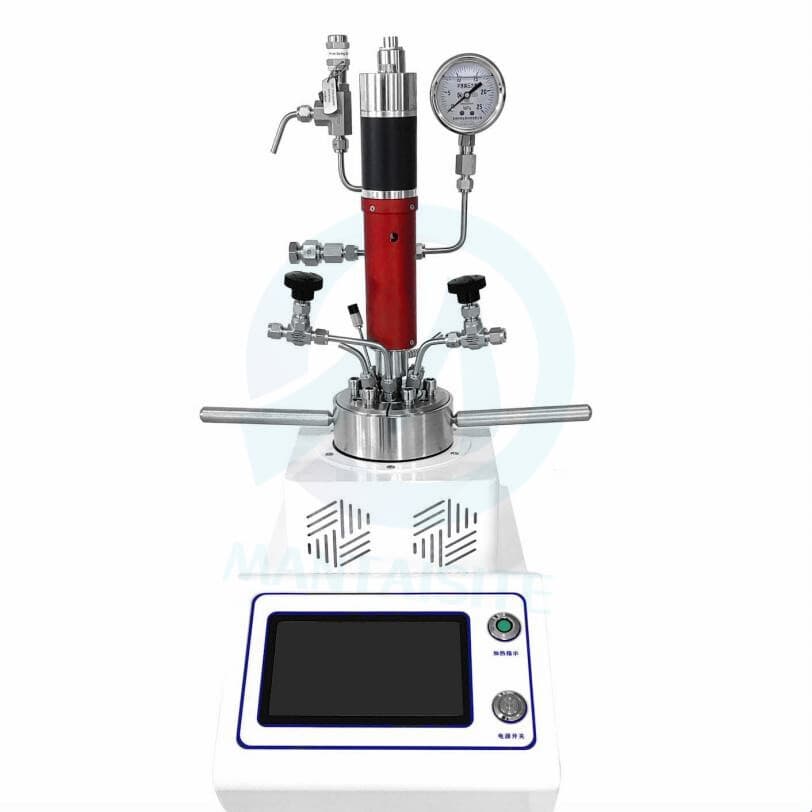
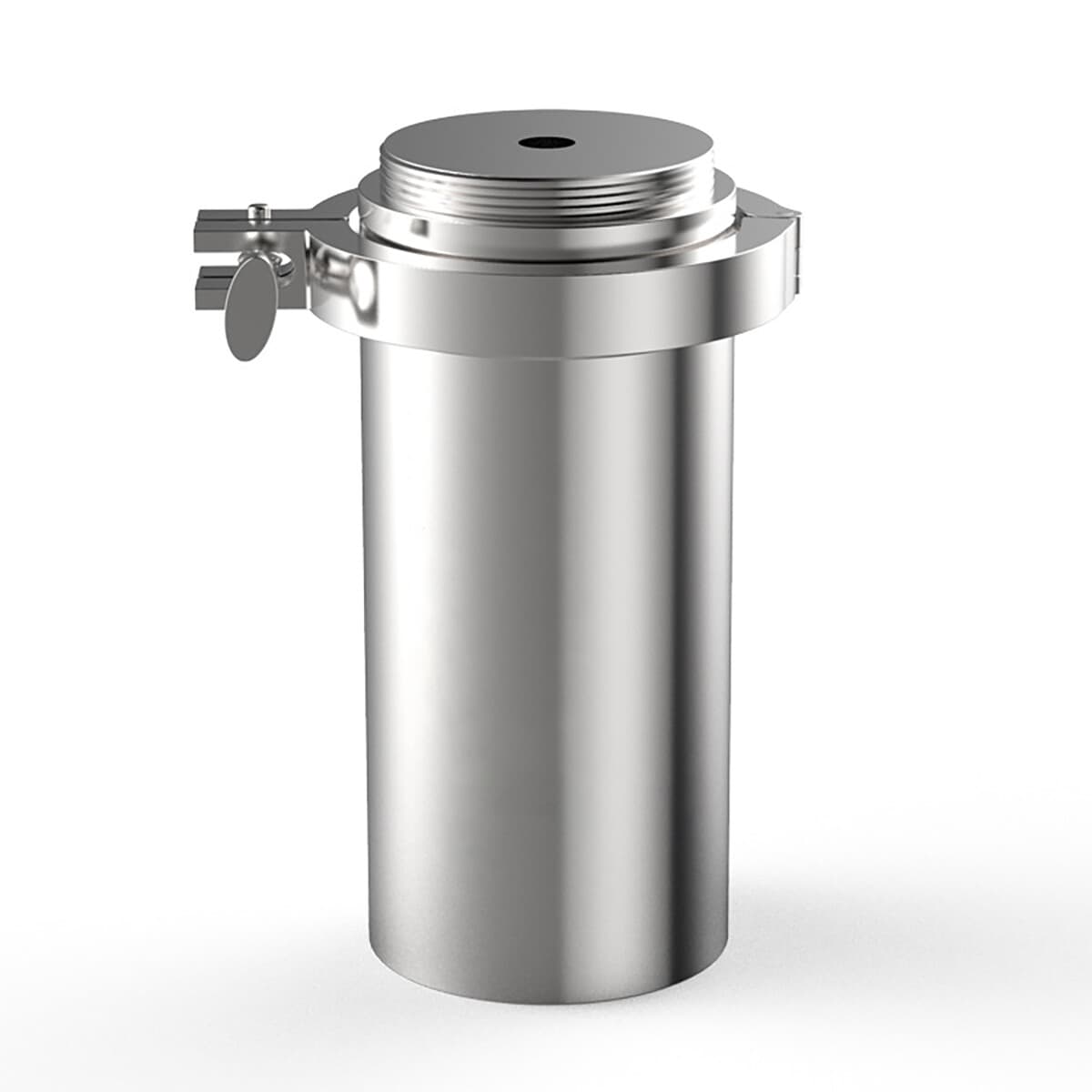
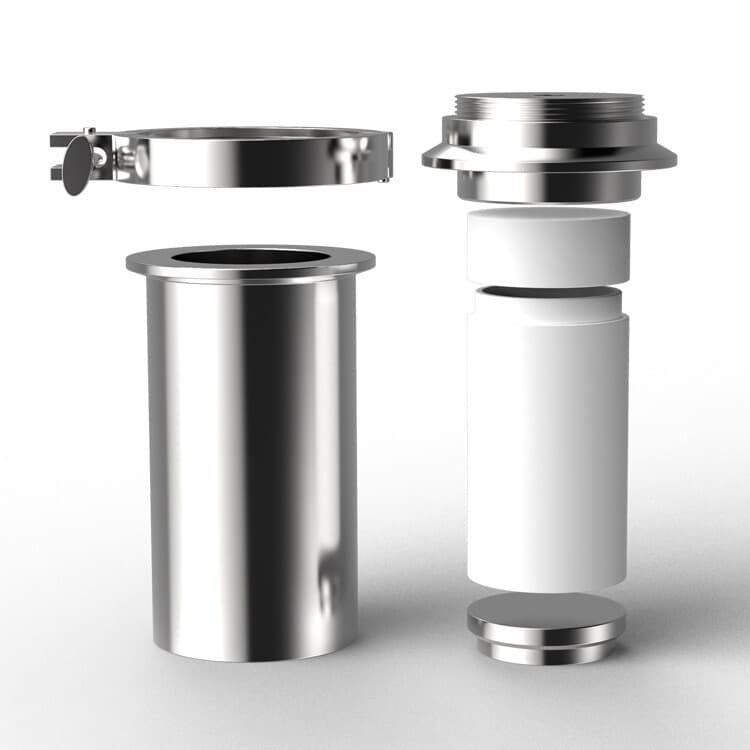
Hydrothermal synthesis autoclaves and pyrolysis reactors in SS304/SS316L with PTFE linings.
44
Products
High-pressure reactors run reactions that need conditions above ambient, sealing a vessel so temperature and self-generated pressure can drive chemistry that would not proceed in open glassware. Hydrothermal synthesis autoclaves are the most common form, used to grow crystals, synthesize nanomaterials and battery materials, and digest samples, while pyrolysis reactors thermally decompose feedstocks in a sealed, controlled environment.
Construction determines what you can run and how hot you can go. The pressure-bearing body is typically SS304 or the more corrosion-resistant SS316L stainless steel, and an inner liner isolates the chemistry from the metal. PTFE (Teflon) liners resist acids and most aggressive media but cap working temperature in the low-200C range; higher-temperature liner materials extend that ceiling when a reaction demands more heat.
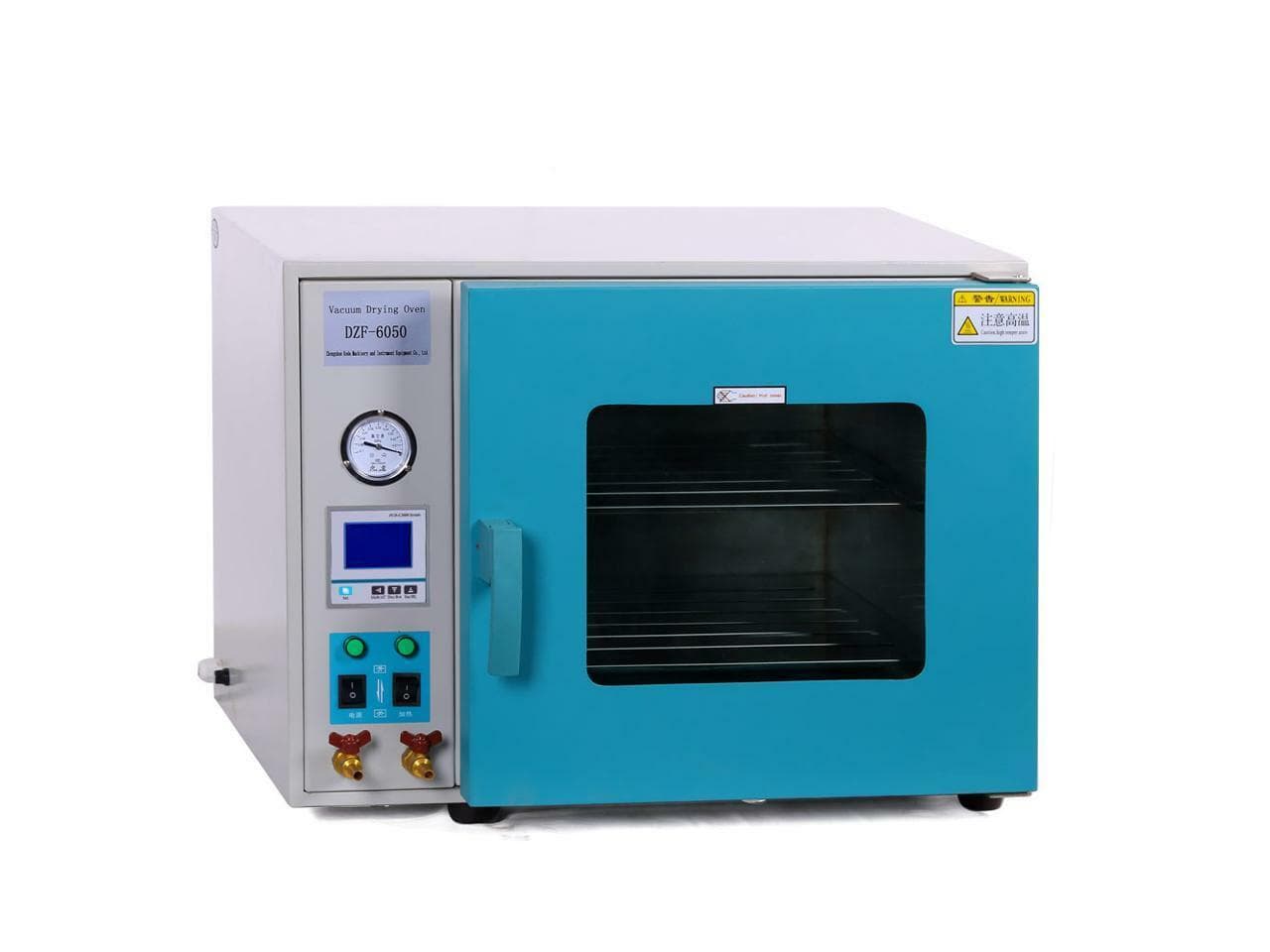
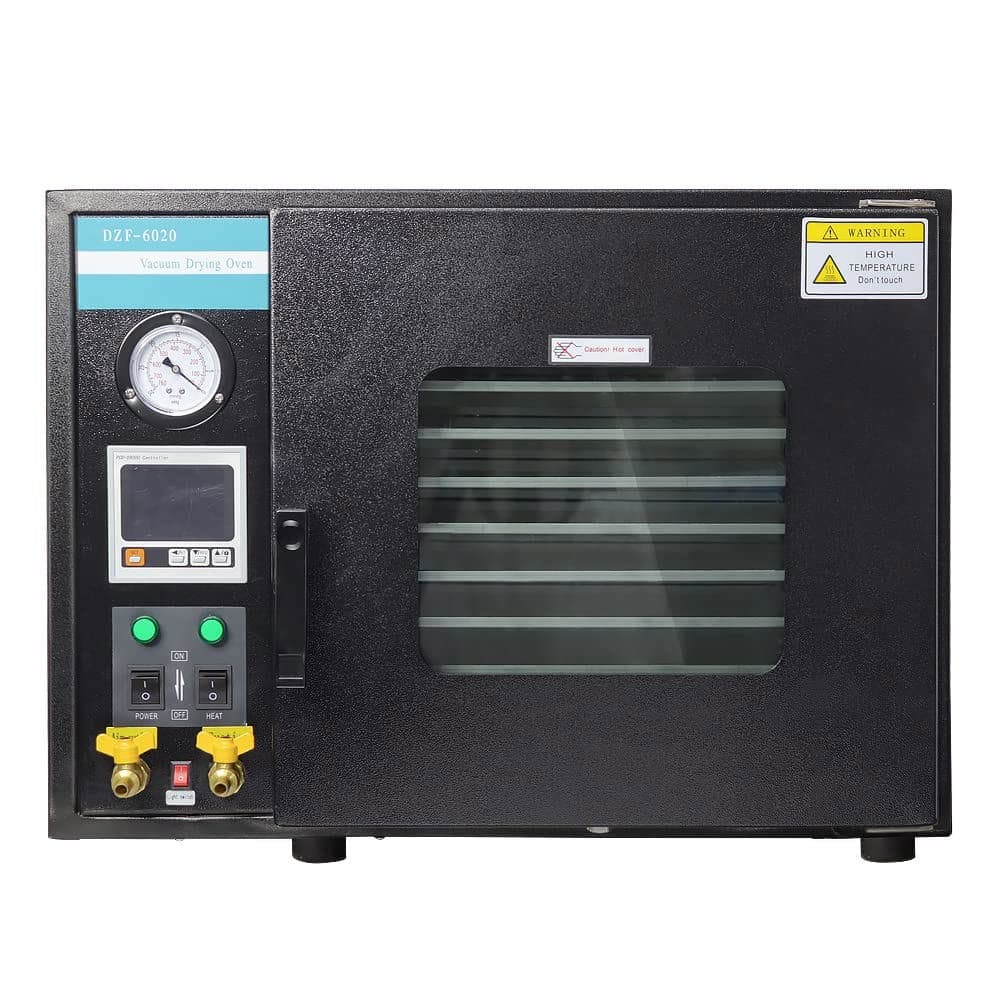
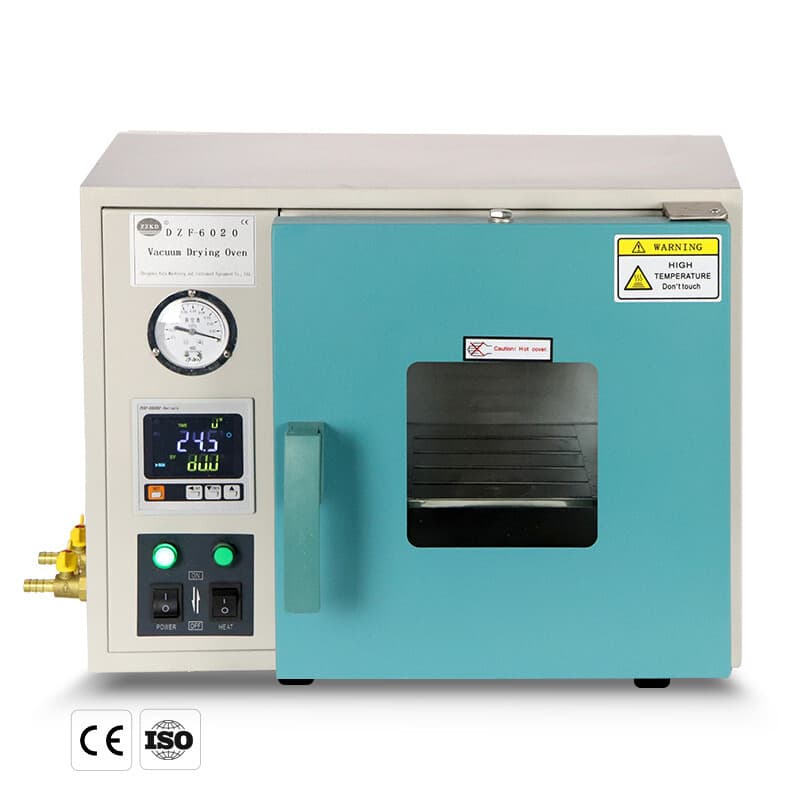
Size the autoclave to your fill volume and never exceed the manufacturer's stated fill ratio, because headspace is what safely absorbs pressure as the contents heat. Match the vessel's rated temperature and pressure to your process, choose the liner material for your reagents, and pair the reactor with appropriate heating, whether an oven, heating jacket, or block, plus disciplined cool-down before opening.
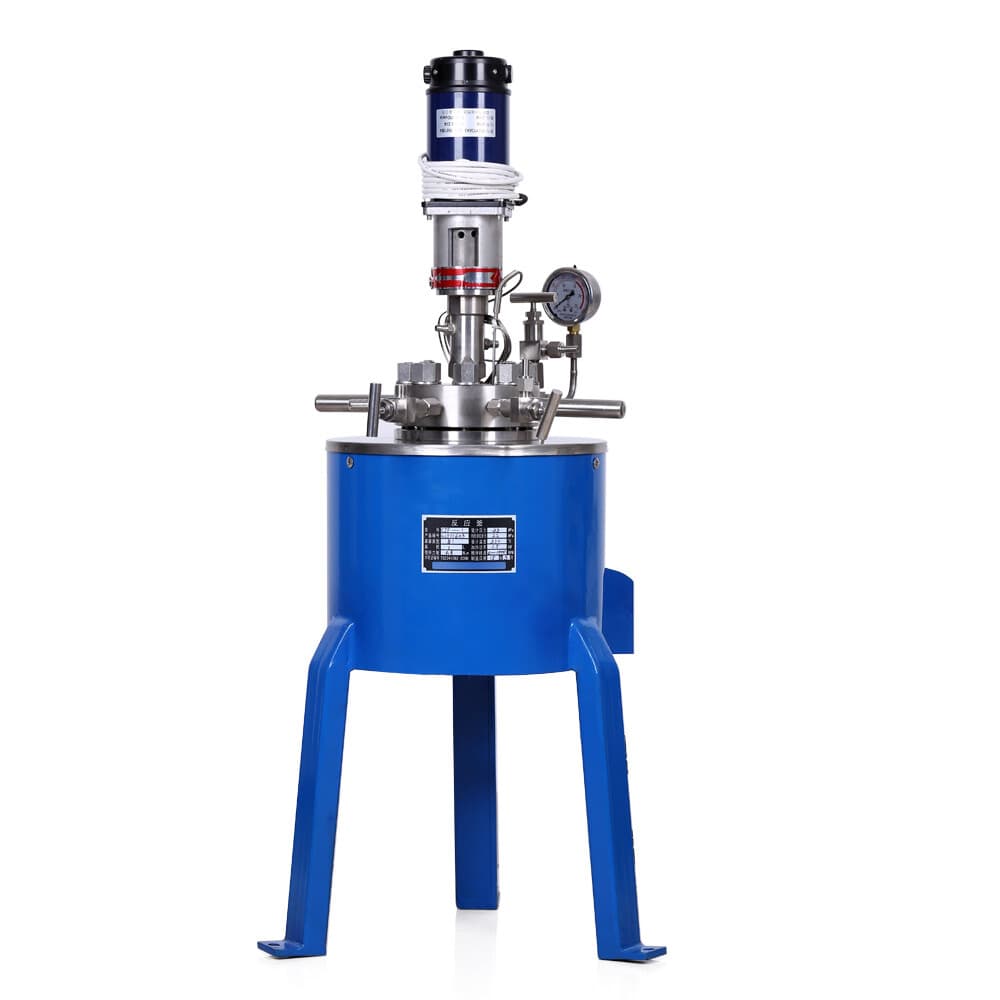
Showing 1–24 of 44 products