Cannabis Extraction Lab Expansion: When and How to Scale Your Operation
Learn when and how to approach cannabis extraction lab expansion to increase capacity, improve efficiency, and support future growth.
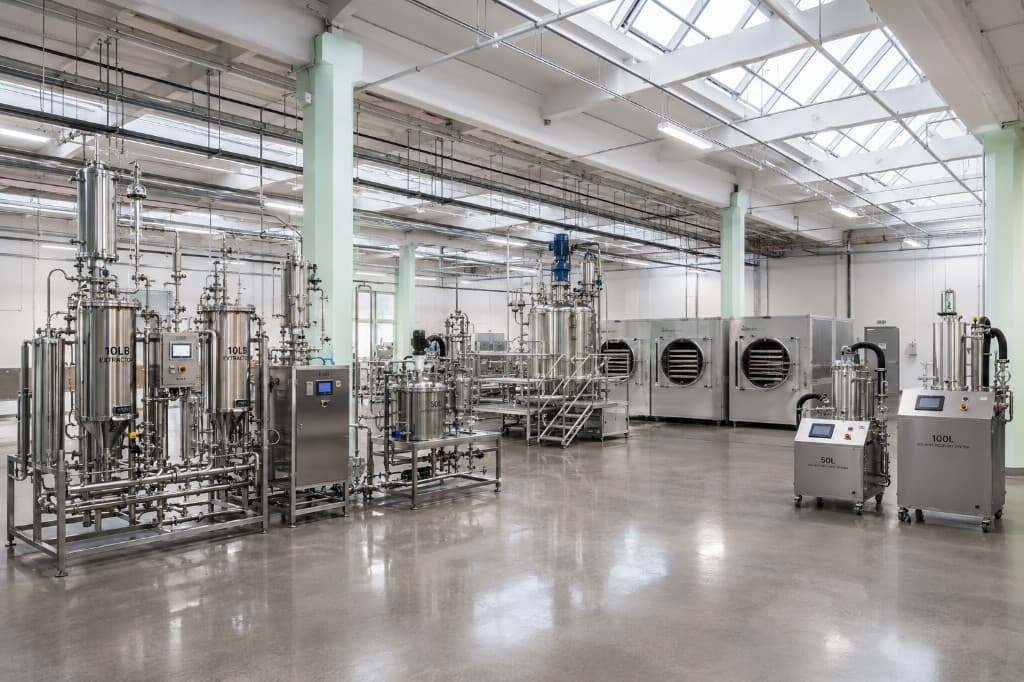
Every successful extraction business eventually faces the same challenge: growth. What once felt like plenty of production capacity can quickly become a bottleneck as customer demand increases, product lines expand, and operational goals evolve. Knowing when and how to approach cannabis extraction lab expansion can determine whether your business continues growing efficiently or struggles to keep pace with market opportunities.
Expanding an extraction facility isn't simply about adding more equipment. It requires careful planning around workflow, utilities, staffing, compliance, and future scalability. A strategic expansion can significantly increase throughput, improve profitability, and position your business for long-term success.
Many operators begin their planning process by consulting experienced suppliers like GreenLabGear and visiting their Showroom to evaluate equipment options, facility layouts, and production workflows before committing to major capital investments.
This guide explores the key signs that indicate it's time for cannabis extraction lab expansion and outlines the best practices for scaling efficiently.
TLDR – Quick Guide
- Expand when production demand consistently exceeds capacity.
- Identify operational bottlenecks before purchasing new equipment.
- Evaluate utilities, facility space, and staffing requirements.
- Scale workflows rather than simply adding equipment.
- Prioritize expansion areas that deliver the highest ROI.
- Plan for future growth beyond immediate production needs.
- Ensure compliance requirements are addressed before expansion.
- Build scalable systems that support long-term operational efficiency.
Detailed Breakdown
Why Cannabis Extraction Lab Expansion Matters
As cannabis markets mature, operators often experience increased demand for:
- Distillates
- Concentrates
- Vape products
- Edibles
- Bulk cannabinoids
Without sufficient production capacity, businesses may struggle to meet customer expectations, causing lost revenue opportunities and slower growth.
A properly planned cannabis extraction lab expansion can help:
- Increase production volume
- Improve operational efficiency
- Reduce bottlenecks
- Lower per-unit production costs
- Support new product development
- Increase profitability
Expansion should be viewed as a strategic investment rather than simply an equipment purchase.
Signs It's Time to Expand Your Extraction Lab
Many operators wait too long before scaling their facilities.
Recognizing growth indicators early can prevent production constraints from affecting profitability.
Production Is Constantly at Capacity
One of the clearest indicators is consistently running equipment at maximum capacity.
Warning signs include:
- Frequent overtime
- Extended production schedules
- Limited room for additional orders
- Delayed customer fulfillment
If your facility regularly operates at or near maximum output, expansion may be necessary.
Equipment Has Become a Bottleneck
Growth often exposes limitations within specific production stages.
For example:
- Extraction systems cannot keep pace with demand
- Solvent recovery takes too long
- Post-processing delays production
- Packaging becomes a bottleneck
Identifying the true constraint is essential before investing in expansion.
Product Demand Continues to Increase
Strong sales growth may indicate the need for additional production capacity.
Common indicators include:
- Increasing wholesale orders
- New distribution opportunities
- Product shortages
- Growing customer wait times
Expansion allows operators to capitalize on market demand instead of turning away business.
Facility Layout Is Limiting Efficiency
Sometimes production challenges stem from facility design rather than equipment limitations.
Common signs include:
- Excessive employee movement
- Crowded workspaces
- Inefficient workflows
- Storage limitations
A cannabis extraction lab expansion may involve redesigning workflow rather than simply adding equipment.
Evaluate Your Current Bottlenecks
Before purchasing equipment, determine exactly where production slows down.
Extraction Capacity
If extraction is the primary limitation, adding additional Extractors (Closed Loop) may significantly increase throughput.
Additional extraction systems can:
- Increase daily processing volume
- Improve scheduling flexibility
- Reduce production delays
- Support new product lines
However, extraction capacity should be balanced with downstream processing capabilities.
Post-Processing Capacity
As extraction output increases, post-processing often becomes the next bottleneck.
Many facilities expand with additional Reactors (Glass & Jacketed) to improve:
- Winterization
- Refinement
- Mixing
- Formulation processes
Increasing post-processing capacity helps maintain smooth workflow throughout production.
Drying and Product Preservation
Certain concentrate and specialty product workflows require additional drying capacity.
Adding Freeze Dryers can help facilities:
- Increase throughput
- Improve product consistency
- Support specialty concentrate production
- Reduce processing delays
Facilities producing premium products often find drying capacity becomes increasingly important as production scales.
Solvent Recovery Limitations
Expansion efforts frequently expose solvent recovery bottlenecks.
When recovery systems cannot keep pace with extraction output, production slows throughout the facility.
Adding or upgrading Solvent Recovery systems may:
- Improve solvent recycling efficiency
- Reduce downtime
- Lower operating costs
- Increase overall throughput
Recovery capacity should always be evaluated alongside extraction capacity.
Plan Infrastructure Before Expansion
Many operators focus heavily on equipment while overlooking utility requirements.
Before expanding, evaluate:
Electrical Capacity
Additional equipment may require:
- Increased service capacity
- New circuits
- Three-phase power upgrades
Electrical limitations can significantly impact expansion timelines.
HVAC Systems
Growing production often increases environmental control requirements.
HVAC systems may need upgrades to support:
- Additional equipment
- Heat generation
- Air quality requirements
- Employee comfort
Facility Space
Expansion planning should consider:
- Equipment footprints
- Employee workflow
- Material handling
- Storage requirements
Avoid creating overcrowded work environments that reduce efficiency.
Build a Scalable Workflow
One of the biggest mistakes operators make is adding equipment without redesigning workflow.
An efficient expansion should improve:
Material Flow
Raw materials should move logically through:
Receiving → Extraction → Post-Processing → Packaging → Storage
Reducing unnecessary movement improves efficiency and lowers labor costs.
Workstation Organization
Clearly defined work zones improve:
- Productivity
- Safety
- Compliance
- Employee training
As facilities expand, organizational structure becomes increasingly important.
Inventory Management
Growth often introduces inventory challenges.
Expansion planning should include:
- Raw material storage
- Solvent storage
- Packaging inventory
- Finished goods storage
Efficient inventory systems support sustainable growth.
Plan Beyond Immediate Needs
Many operators expand only enough to solve current problems.
This often leads to another costly expansion within a few years.
Instead, evaluate:
- Five-year growth projections
- Future product lines
- Additional markets
- Regulatory changes
Building excess capacity today can significantly reduce future upgrade costs.
Common Cannabis Extraction Lab Expansion Mistakes
Avoid these common scaling errors.
Expanding Too Late
Waiting until production becomes overwhelmed can result in lost revenue and customer dissatisfaction.
Ignoring Workflow Problems
Adding equipment will not fix inefficient processes.
Overlooking Utility Requirements
Electrical, HVAC, and facility limitations often create unexpected costs.
Focusing on One Department
Increasing extraction capacity without addressing downstream bottlenecks can create new production constraints.
Underestimating Growth
Many successful operators outgrow expansion plans faster than anticipated.
Creating an Expansion Roadmap
Successful cannabis extraction lab expansion projects typically follow a structured process.
Step 1: Analyze Production Data
Review:
- Throughput
- Downtime
- Capacity utilization
- Product demand
Step 2: Identify Bottlenecks
Determine where production slows or becomes inefficient.
Step 3: Evaluate Equipment Needs
Identify which systems require upgrades or additions.
Step 4: Review Infrastructure
Confirm utilities can support expansion plans.
Step 5: Implement Strategically
Expand in phases whenever possible to minimize disruption.
A phased approach often provides better financial flexibility and operational control.
Key Takeaways
- Cannabis extraction lab expansion should be driven by production data and demand.
- Consistently operating at capacity is a strong indicator that growth is needed.
- Bottlenecks should be identified before purchasing new equipment.
- Extraction, post-processing, drying, and solvent recovery all impact scalability.
- Utility infrastructure should be evaluated before expansion begins.
- Workflow optimization is just as important as adding production equipment.
- Future growth projections should influence expansion decisions.
- Strategic planning helps maximize ROI and long-term operational success.
FAQs
How do I know when it's time for cannabis extraction lab expansion?
The most common indicator is consistently operating at or near production capacity. Signs may include equipment bottlenecks, growing customer demand, overtime labor, and delayed order fulfillment. Monitoring production data helps determine when expansion becomes necessary.
What equipment is typically added during an extraction lab expansion?
The answer depends on existing bottlenecks. Many facilities add extraction systems, reactors, freeze dryers, or solvent recovery equipment to increase throughput. The goal is to improve overall workflow rather than simply adding capacity in one area.
Should I expand extraction capacity first?
Not always. Expansion decisions should be based on identifying the true production constraint. In some facilities, solvent recovery or post-processing may limit throughput more than extraction itself.
How important are utilities during expansion planning?
Utilities are critical. Electrical service, HVAC systems, compressed air, and facility infrastructure must support additional equipment. Overlooking utility requirements can significantly increase project costs and delays.
Is it better to expand all at once or in phases?
Many operators benefit from phased expansion strategies. Phased growth reduces risk, improves cash flow management, and allows facilities to adapt to changing market conditions. It also helps identify and resolve operational issues before larger investments are made.