How to Choose a Laboratory Freezer for Cannabis Extraction and Storage
Learn how to choose the best laboratory freezer for cannabis extraction based on temperature, storage needs, and production goals.
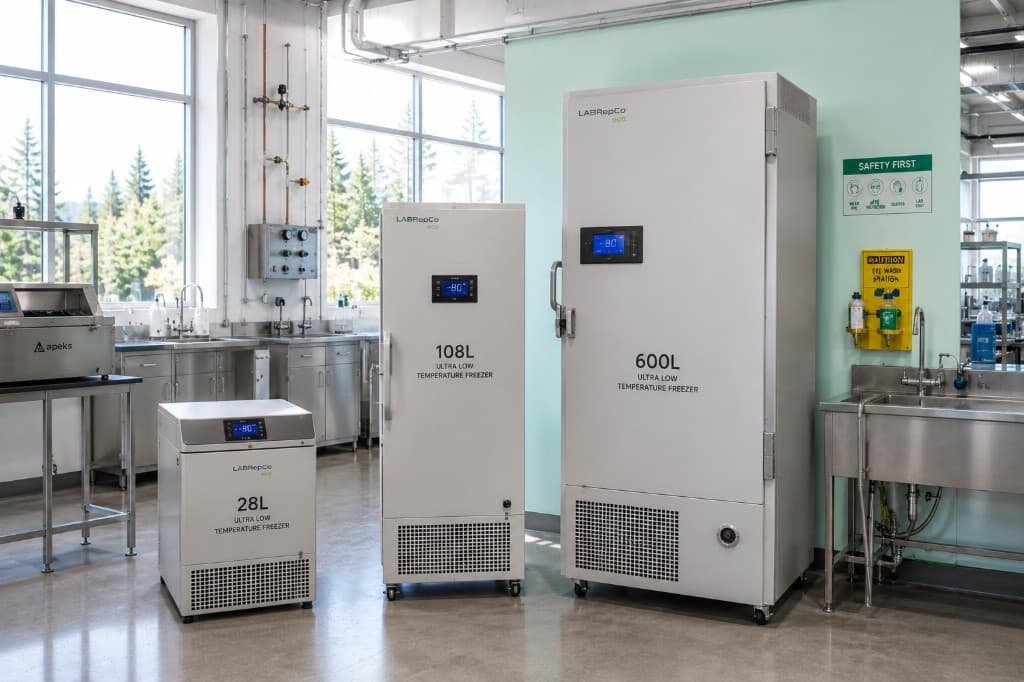
Selecting the right laboratory freezer for cannabis extraction is essential for maintaining product quality, preserving cannabinoids, and supporting efficient extraction workflows. Whether you're storing biomass, extracts, concentrates, or finished products, temperature control plays a critical role in ensuring consistency and preventing degradation.
While extraction systems often receive the most attention during facility planning, storage equipment can have an equally significant impact on operational success. The wrong freezer can lead to product loss, inconsistent processing results, increased energy costs, and workflow inefficiencies.
Many cannabis processors work with trusted suppliers like GreenLabGear and visit their Showroom to compare freezer options and determine the best storage solutions for their extraction and processing operations.
In this guide, we'll explore how laboratory freezers are used in cannabis facilities, the key features to consider, and how to choose the right system for your specific needs.
TLDR – Quick Guide
- A laboratory freezer for cannabis extraction helps preserve biomass, extracts, and finished products.
- Temperature stability is critical for maintaining product quality.
- Storage requirements should determine freezer size and capacity.
- Energy efficiency can significantly reduce operating costs.
- Reliable temperature monitoring helps prevent product loss.
- Consider future production growth when selecting a freezer.
- Proper integration with extraction workflows improves efficiency.
- Laboratory-grade freezers offer better performance than standard commercial units.
Detailed Breakdown
Why Freezers Matter in Cannabis Extraction
Temperature control is an essential component of many cannabis extraction and storage workflows.
A quality laboratory freezer for cannabis extraction can help:
- Preserve cannabinoids and terpenes
- Protect product quality
- Support extraction efficiency
- Reduce product degradation
- Improve inventory management
- Maintain regulatory compliance
Whether storing raw biomass or refined concentrates, maintaining proper temperatures helps ensure consistent results throughout production.
Common Uses for Laboratory Freezers in Cannabis Facilities
Cannabis operators use freezers for several purposes throughout the production process.
Biomass Storage
Many facilities freeze harvested biomass to preserve:
- Cannabinoid content
- Terpene profiles
- Product freshness
Proper storage helps reduce degradation before extraction begins.
Extraction Preparation
Cold storage may be used before certain extraction methods to improve process efficiency and product quality.
Facilities often integrate freezer storage with larger Extraction Equipment workflows to support consistent processing conditions.
Concentrate Storage
Cannabis concentrates may require controlled storage conditions to maintain stability and quality.
Freezers help protect products from:
- Oxidation
- Temperature fluctuations
- Degradation over time
Finished Product Storage
Some operators use laboratory freezers to store:
- Distillates
- Isolates
- Specialty concentrates
- Research samples
Proper storage can extend shelf life and preserve product integrity.
Determine Your Temperature Requirements
One of the first steps in selecting a laboratory freezer for cannabis extraction is determining your temperature needs.
Different applications may require different storage ranges.
Standard Freezer Storage
Suitable for:
- General biomass storage
- Intermediate products
- Routine inventory management
Low-Temperature Storage
Often used for:
- Sensitive concentrates
- Research samples
- Long-term product preservation
The ideal temperature range depends on the materials being stored and the duration of storage.
Consistent temperature control is often more important than simply achieving extremely low temperatures.
Choose the Right Capacity
Freezer size should align with both current and future storage requirements.
Ask yourself:
- How much biomass is processed weekly?
- How much inventory requires cold storage?
- Will production increase over time?
- How much floor space is available?
Small Facilities
May prioritize:
- Compact footprint
- Flexible storage
- Lower upfront costs
Mid-Size Facilities
May require:
- Increased storage capacity
- Better organization
- Improved workflow integration
Large Operations
Typically need:
- High-capacity storage systems
- Multiple freezer units
- Redundancy for risk management
Choosing the correct size helps avoid unnecessary upgrades later.
Evaluate Temperature Stability
Temperature fluctuations can negatively affect product quality.
A laboratory-grade Refrigerator or Freezer should provide:
- Consistent temperature control
- Reliable performance
- Uniform cooling throughout the storage chamber
Benefits include:
- Better product protection
- Reduced spoilage risk
- Improved consistency
Temperature stability is one of the most important factors when comparing freezer options.
Consider Energy Efficiency
Freezers operate continuously, making energy consumption an important consideration.
Energy-efficient systems can help:
- Reduce utility costs
- Lower operating expenses
- Improve sustainability efforts
Modern laboratory freezers often include:
- Improved insulation
- High-efficiency compressors
- Smart control systems
- Energy-saving operating modes
Over time, lower energy consumption can generate substantial cost savings.
Think About Workflow Integration
Storage equipment should support—not hinder—daily operations.
Consider:
Accessibility
Frequently used materials should be easy to access.
Inventory Management
Organized storage helps improve:
- Traceability
- Compliance
- Efficiency
Facility Layout
Freezers should be positioned to support efficient movement between storage and production areas.
Proper placement can reduce labor requirements and improve workflow.
Supporting Equipment That Improves Performance
Cold storage often works alongside other systems throughout the extraction process.
Recirculating Chillers
Many facilities use Recirculating Chillers to maintain temperature control during extraction, solvent recovery, and post-processing.
Benefits include:
- Stable operating temperatures
- Improved process consistency
- Enhanced equipment performance
Together, chillers and freezers help create reliable temperature-controlled workflows.
Extraction Equipment
Proper storage supports efficient operation of Extraction Equipment by ensuring biomass and materials remain in optimal condition before processing.
The combination of storage and extraction systems can significantly impact final product quality.
Features to Look For
When evaluating laboratory freezers, consider features such as:
Digital Temperature Controls
Allow for precise monitoring and adjustment.
Temperature Alarms
Alert operators to unexpected changes.
Data Logging
Supports quality assurance and compliance requirements.
Backup Systems
Provide additional protection during power interruptions.
Adjustable Shelving
Improves storage flexibility and organization.
These features can improve reliability and reduce operational risks.
Common Freezer Selection Mistakes
Avoid these common mistakes when choosing a laboratory freezer for cannabis extraction.
Buying Based Only on Price
Lower-cost units may lack the reliability required for cannabis operations.
Ignoring Future Growth
Storage needs often increase as production expands.
Overlooking Energy Costs
Operational expenses can exceed initial purchase costs over time.
Choosing Insufficient Capacity
Running out of storage space can disrupt workflows and limit growth.
Neglecting Monitoring Features
Temperature monitoring is essential for protecting valuable inventory.
Key Takeaways
- A laboratory freezer for cannabis extraction helps preserve product quality and consistency.
- Temperature control is critical for biomass, concentrates, and finished products.
- Storage capacity should align with current and future production needs.
- Laboratory-grade freezers provide greater reliability than standard commercial units.
- Temperature stability is one of the most important selection criteria.
- Energy-efficient systems can reduce long-term operating costs.
- Proper workflow integration improves operational efficiency.
- Monitoring and alarm systems help protect valuable inventory.
- Cold storage works best when integrated with extraction and processing workflows.
- Strategic equipment selection supports long-term facility growth.
FAQs
What is a laboratory freezer for cannabis extraction used for?
A laboratory freezer for cannabis extraction is used to store biomass, concentrates, extracts, and other temperature-sensitive materials. Proper storage helps preserve cannabinoids, terpenes, and overall product quality. These systems play an important role throughout the extraction and production process.
Why is temperature stability important for cannabis storage?
Temperature fluctuations can negatively impact product quality and consistency. Stable temperatures help preserve sensitive compounds and reduce degradation. Reliable temperature control also supports compliance and inventory protection.
How large should a cannabis extraction laboratory freezer be?
The ideal size depends on production volume, storage requirements, and future growth plans. Facilities should evaluate both current inventory levels and projected expansion. Choosing the right capacity helps avoid costly upgrades later.
Are laboratory freezers more efficient than standard commercial freezers?
Laboratory-grade systems are typically designed for greater temperature precision, reliability, and performance. Many models also include advanced monitoring and alarm systems. These features make them better suited for cannabis processing and storage environments.
How do recirculating chillers complement freezer systems?
Recirculating chillers help maintain temperature control during extraction and post-processing operations. Together with laboratory freezers, they support consistent temperature management throughout production. This helps improve efficiency and product quality.