Cannabis Lab Floor Plan Guide: How to Design an Efficient Extraction Facility
Learn how to create an efficient cannabis lab floor plan that improves workflow, safety, compliance, and production capacity.
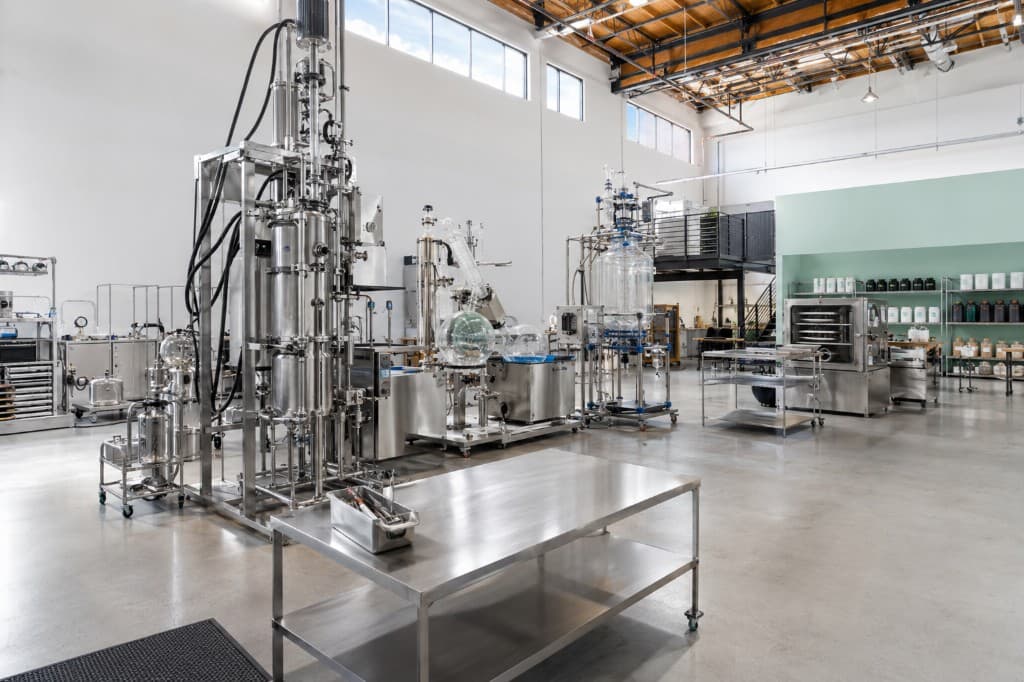
Designing an efficient cannabis lab floor plan is one of the most important decisions a cannabis manufacturer can make. The layout of your facility impacts everything from production speed and employee safety to regulatory compliance and long-term scalability.
A poorly planned facility can create bottlenecks, increase contamination risks, and limit future expansion. In contrast, a thoughtfully designed cannabis lab floor plan supports smooth workflows, maximizes equipment performance, and helps operators get the most out of every square foot.
Many operators work with trusted industry suppliers like GreenLabGear during the planning process. Visiting a professional Showroom can help facility owners visualize equipment placement, workflow optimization, and space requirements before construction begins.
Whether you're launching your first extraction facility or expanding an existing operation, this guide will walk you through the key principles of creating a high-performing cannabis lab floor plan.
TLDR – Quick Guide
- Design your cannabis lab floor plan around production workflow.
- Separate extraction, post-processing, packaging, and storage areas.
- Account for electrical, HVAC, water, and compressed air requirements.
- Build safety and compliance into every room layout.
- Minimize employee movement and material handling.
- Leave room for future equipment expansion.
- Create dedicated zones for extraction, distillation, and packaging.
- Use scalable infrastructure to support long-term growth.
Detailed Breakdown
Why Facility Layout Matters
A cannabis extraction facility is much more than a collection of equipment. Every room, workstation, and utility connection should support production efficiency while meeting strict regulatory requirements.
An effective cannabis lab floor plan can:
- Improve workflow efficiency
- Reduce labor costs
- Increase production capacity
- Support regulatory compliance
- Minimize contamination risks
- Enhance employee safety
- Simplify future expansion
Studies in manufacturing environments consistently show that optimized facility layouts can significantly reduce wasted movement and increase operational efficiency. When applied to cannabis extraction, those gains translate directly into higher throughput and improved profitability.
Start With Your Production Workflow
The most successful cannabis extraction facilities are designed around process flow rather than available space.
Before placing equipment, map out how material moves through the facility from arrival to finished product.
Typical Extraction Workflow
Biomass Receiving and Storage
Raw cannabis material enters the facility and is securely stored until processing begins.
Key considerations:
- Inventory control
- Security requirements
- Environmental conditions
- Accessibility for production teams
Material Preparation Area
This stage includes:
- Milling
- Grinding
- Biomass preparation
- Material staging
Locating preparation areas close to extraction equipment reduces unnecessary movement and handling.
Extraction Room
This is where raw plant material is converted into crude extract.
Many facilities utilize specialized Extractors (Closed Loop) designed for efficient hydrocarbon extraction while maintaining strict safety standards.
Extraction rooms should provide:
- Adequate safety clearances
- Ventilation systems
- Utility access
- Clear employee pathways
Post-Processing Area
Following extraction, products move through several refinement stages.
Common equipment includes:
- Filtration systems
- Solvent recovery equipment
- Winterization systems
- Rotary Evaporators
This area often requires significant workspace for operators and support equipment.
Distillation and Refinement
Many facilities dedicate separate rooms to advanced refinement processes.
Equipment may include:
- Distillation systems
- Glass & Jacketed Reactors
- Purification equipment
- Laboratory testing stations
Separating refinement activities helps maintain product consistency and operational efficiency.
Packaging and Finished Goods
The final stage includes:
- Product filling
- Packaging
- Labeling
- Inventory storage
Finished products should flow directly into secure storage without crossing paths with incoming raw materials.
Create a Linear Workflow
One of the most effective cannabis lab floor plan strategies is creating a one-directional workflow.
Recommended Production Flow
Receiving → Preparation → Extraction → Post-Processing → Packaging → Storage
This approach helps:
- Reduce employee travel time
- Prevent contamination
- Improve operational efficiency
- Simplify training procedures
Facilities with circular or backtracking workflows often experience production delays and unnecessary labor costs.
Utility Planning: The Hidden Foundation of Facility Design
Many operators focus heavily on equipment selection while overlooking infrastructure requirements.
A cannabis lab floor plan must support both current and future utility demands.
Electrical Requirements
Extraction facilities often require:
- Three-phase power
- Dedicated equipment circuits
- Backup power solutions
- Expansion capacity
Always verify power requirements before finalizing equipment placement.
HVAC Systems
Environmental control plays a critical role in product quality and employee comfort.
HVAC systems help:
- Maintain temperature consistency
- Regulate humidity
- Improve air quality
- Support compliance requirements
Water Infrastructure
Water may be required for:
- Cleaning processes
- Cooling systems
- Laboratory operations
Poor utility planning can result in expensive facility modifications later.
Compressed Air Systems
Many production and packaging systems rely on compressed air for automation and equipment operation.
Planning utility routes early can significantly reduce installation costs.
Design for Safety and Compliance
Every cannabis lab floor plan should prioritize safety from the beginning.
Hazardous Location Considerations
Hydrocarbon extraction facilities may require:
- C1D1 rooms
- C1D2 rooms
- Gas monitoring systems
- Explosion-proof electrical equipment
Always consult qualified engineers and local authorities regarding applicable codes.
Emergency Access
Facility layouts should maintain:
- Clear emergency exits
- Unobstructed pathways
- Accessible shutoff controls
- Proper evacuation routes
Fire Protection Systems
Many jurisdictions require:
- Fire suppression systems
- Fire-rated construction
- Specialized ventilation systems
Addressing these requirements during planning is significantly less expensive than making changes after construction.
Allocate Space for Specialized Equipment
As production scales, additional equipment often becomes necessary.
For example, many operators reserve dedicated areas for Freeze Dryers to support concentrate production, product preservation, and specialty processing workflows.
Additional equipment considerations may include:
- Solvent storage
- Quality control laboratories
- Packaging automation
- Product testing stations
Space planning should account for current operations and future equipment additions.
Plan for Future Expansion
A common mistake is designing solely around immediate production needs.
Successful operators plan their cannabis lab floor plan with growth in mind.
Expansion Best Practices
Leave Open Floor Space
Avoid maximizing every available square foot on day one.
Flexible space supports future growth without requiring major renovations.
Oversize Utilities
Installing larger electrical and HVAC infrastructure initially is often more cost-effective than upgrading later.
Use Modular Layouts
Modular equipment arrangements allow operators to expand production while minimizing disruptions.
Common Cannabis Lab Floor Plan Mistakes
Avoid these costly design errors.
Ignoring Workflow Efficiency
Poor workflow creates unnecessary movement, delays production, and increases labor expenses.
Underestimating Storage Requirements
Facilities often need more storage than expected for:
- Biomass
- Solvents
- Packaging supplies
- Finished products
Overlooking Utility Capacity
Insufficient electrical or HVAC capacity can restrict future growth.
Designing Without Expansion Plans
Facilities that cannot scale efficiently often require expensive redesigns within a few years.
Failing to Consider Compliance Early
Regulatory issues discovered during inspections can delay operations and increase construction costs.
Sample Cannabis Extraction Facility Layout
While every operation is unique, many facilities follow a similar structure:
Front of Facility
- Reception area
- Administrative offices
- Compliance documentation
Production Zone
- Biomass storage
- Material preparation
- Extraction room
- Post-processing room
- Distillation area
Quality Control Laboratory
- Product testing
- Documentation
- Compliance verification
Packaging Area
- Product filling
- Labeling
- Inventory staging
Secure Finished Goods Storage
- Product inventory
- Shipping preparation
- Distribution management
This structure creates a logical flow that supports both efficiency and compliance.
Key Takeaways
- A cannabis lab floor plan directly impacts productivity, safety, and profitability.
- Workflow-driven layouts improve operational efficiency and reduce labor costs.
- Utility planning is just as important as equipment selection.
- Compliance requirements should influence every design decision.
- Future expansion should be incorporated into the facility from the beginning.
- Strategic equipment placement minimizes bottlenecks and material handling.
- Dedicated areas for extraction, refinement, packaging, and storage improve performance.
- A well-designed facility helps maximize long-term return on investment.
FAQs
What is the most important factor in a cannabis lab floor plan?
The most important factor is workflow efficiency. Materials should move through the facility in a logical sequence without unnecessary backtracking. Efficient layouts reduce labor costs, improve productivity, and help maintain product quality.
How much space does a cannabis extraction facility need?
The amount of space required depends on production goals, extraction methods, and equipment size. Smaller operations may operate efficiently in a few thousand square feet, while larger commercial facilities require significantly more space. Operators should also account for future growth when determining facility size.
Why should extraction and packaging areas be separated?
Separating extraction and packaging functions helps reduce contamination risks and improve operational organization. Dedicated work zones also make compliance easier during inspections. Most successful facilities maintain clear separation between production and finished goods areas.
What utilities should be considered when designing a cannabis lab?
Cannabis extraction facilities typically require electrical service, HVAC systems, compressed air, and water infrastructure. These utilities support equipment performance, employee safety, and product consistency. Planning utility capacity early helps avoid costly upgrades later.
When should operators start planning their cannabis lab floor plan?
Facility planning should begin before equipment purchases and construction activities start. Early planning helps prevent expensive mistakes and improves project timelines. It also ensures the facility can support current production goals and future expansion.