How Energy-Efficient Cannabis Lab Equipment Can Lower Operating Costs
Discover how energy-efficient cannabis lab equipment can lower utility costs, improve sustainability, and boost profitability.
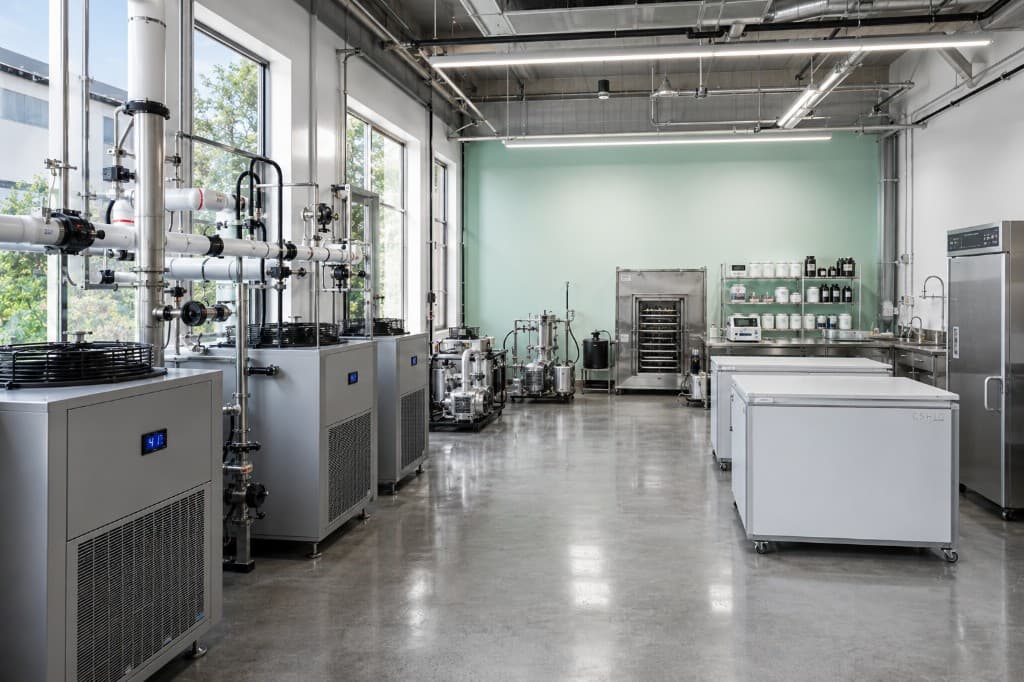
Utility costs are among the largest ongoing expenses for cannabis extraction facilities, manufacturing labs, and processing operations. As energy prices continue to rise, operators are increasingly searching for ways to improve efficiency without sacrificing productivity. Investing in energy-efficient cannabis lab equipment is one of the most effective strategies for reducing operating expenses while maintaining consistent production performance.
From extraction and post-processing to storage and environmental control, cannabis facilities rely on equipment that often runs continuously. Choosing systems designed for energy efficiency can significantly reduce electricity consumption, lower maintenance costs, and improve long-term profitability.
Many operators work with trusted suppliers like GreenLabGear to identify equipment solutions that balance performance, reliability, and energy savings. While upfront costs may sometimes be higher, the long-term return on investment often justifies the investment.
This guide explores how energy-efficient cannabis lab equipment can help reduce operating costs and highlights the equipment categories where efficiency improvements can have the greatest impact.
TLDR – Quick Guide
- Energy-efficient cannabis lab equipment reduces utility expenses.
- Lower energy consumption can improve long-term profitability.
- Chillers, freeze dryers, vacuum pumps, and refrigeration systems are major energy users.
- Modern equipment often includes advanced energy-saving technologies.
- Efficient systems typically generate less heat and require less maintenance.
- Lower utility demands can support facility expansion.
- Energy savings accumulate significantly over time.
- Investing in efficiency often improves operational sustainability.
Detailed Breakdown
Why Energy Efficiency Matters in Cannabis Facilities
Cannabis extraction and processing facilities consume substantial amounts of energy.
Common energy-intensive operations include:
- Solvent recovery
- Distillation
- Drying
- Refrigeration
- Environmental control
- Product storage
As production scales, utility expenses often increase dramatically.
Investing in energy-efficient cannabis lab equipment helps facilities:
- Reduce electricity consumption
- Lower operating costs
- Improve profit margins
- Reduce environmental impact
- Support sustainability initiatives
- Increase equipment reliability
For many operators, energy efficiency becomes increasingly important as production volumes grow.
Understanding the True Cost of Equipment
When evaluating equipment purchases, many operators focus primarily on acquisition cost.
However, total cost of ownership often includes:
- Electricity usage
- Maintenance expenses
- Downtime costs
- Replacement parts
- Service requirements
A lower-priced system may ultimately cost more over its lifetime if it consumes excessive energy or requires frequent maintenance.
Evaluating long-term operating costs provides a more accurate picture of equipment value.
Recirculating Chillers: One of the Biggest Energy Consumers
Temperature control is critical in many extraction and post-processing workflows.
Modern Recirculating Chillers are often designed with energy-saving features that improve performance while reducing power consumption.
Benefits of energy-efficient chillers include:
- Lower electricity usage
- Improved cooling performance
- Reduced operating costs
- Longer equipment lifespan
Advanced chillers may include:
- Variable-speed compressors
- Intelligent temperature controls
- Improved insulation
- Optimized cooling cycles
Because chillers often operate for extended periods, even modest efficiency gains can result in significant savings over time.
Freeze Dryers and Long-Term Energy Savings
Freeze drying is an energy-intensive process used in various cannabis applications.
Modern Freeze Dryers often incorporate technologies designed to improve efficiency without sacrificing product quality.
Energy-saving advantages may include:
- Faster processing cycles
- Improved vacuum performance
- Enhanced thermal management
- Reduced compressor workload
Facilities that frequently use freeze drying equipment can benefit significantly from reduced energy consumption and improved throughput.
In addition to lower utility costs, efficient freeze dryers may also increase production capacity by shortening processing times.
Vacuum Pumps: Small Improvements, Big Savings
Vacuum systems play a critical role in extraction, solvent recovery, and distillation operations.
Many facilities operate Vacuum Pumps continuously throughout production cycles.
Energy-efficient vacuum pumps can offer:
- Reduced electricity consumption
- Lower heat generation
- Improved operational reliability
- Reduced maintenance requirements
Features often associated with efficient vacuum systems include:
- Variable-speed operation
- Advanced motor technology
- Improved sealing systems
- Optimized airflow design
Over time, lower energy usage and reduced maintenance costs can significantly improve total return on investment.
Refrigerators and Freezers: Hidden Utility Expenses
Cold storage equipment often operates around the clock.
Because of continuous operation, even small efficiency improvements can generate substantial annual savings.
Modern Refrigerators & Freezers may feature:
- High-efficiency compressors
- Improved insulation
- Smart temperature controls
- Reduced standby power consumption
Benefits include:
- Lower utility bills
- More stable storage temperatures
- Reduced equipment wear
- Improved product protection
Facilities with extensive cold storage requirements often see meaningful savings from upgrading to energy-efficient systems.
How Energy-Efficient Equipment Supports Facility Growth
As production expands, utility infrastructure often becomes a limiting factor.
Energy-efficient cannabis lab equipment can help operators:
- Delay costly utility upgrades
- Maximize existing electrical capacity
- Support additional equipment installations
- Improve overall facility scalability
Facilities that prioritize efficiency may find expansion projects easier and more cost-effective.
Lower utility demand also reduces strain on electrical systems and HVAC infrastructure.
Additional Benefits Beyond Cost Savings
While lower utility expenses are often the primary motivation, energy-efficient equipment offers additional advantages.
Reduced Heat Generation
Many efficient systems generate less waste heat.
Benefits include:
- Improved workplace comfort
- Reduced HVAC demand
- Better environmental control
Lower Maintenance Requirements
Modern equipment often incorporates improved designs that reduce wear and tear.
This can result in:
- Fewer repairs
- Less downtime
- Lower maintenance costs
Sustainability Benefits
Many cannabis companies are prioritizing environmental responsibility.
Reducing energy consumption can support:
- Sustainability initiatives
- Corporate responsibility goals
- Environmental certifications
Efficiency improvements often benefit both profitability and sustainability objectives.
Common Mistakes When Evaluating Equipment Efficiency
Avoid these common purchasing mistakes.
Focusing Only on Purchase Price
Low acquisition costs do not always result in lower lifetime expenses.
Ignoring Utility Costs
Operating expenses often exceed initial equipment costs over time.
Overlooking Maintenance Requirements
Energy-efficient systems may also offer maintenance advantages.
Buying Oversized Equipment
Oversized systems can consume more energy than necessary.
Failing to Calculate ROI
Equipment decisions should consider both immediate costs and long-term savings.
Building an Energy-Efficient Cannabis Lab
Creating an efficient facility requires a strategic approach.
Best practices include:
- Evaluating energy usage across all operations
- Identifying high-consumption equipment
- Prioritizing efficiency during equipment purchases
- Maintaining equipment properly
- Monitoring utility costs regularly
- Planning for future growth
Small efficiency improvements across multiple systems can generate substantial savings over time.
Key Takeaways
- Energy-efficient cannabis lab equipment can significantly reduce operating costs.
- Utility expenses often represent a major portion of facility overhead.
- Recirculating chillers are among the largest energy consumers in many facilities.
- Efficient freeze dryers can reduce energy usage while improving throughput.
- Modern vacuum pumps often consume less power and require less maintenance.
- Refrigerators and freezers can generate substantial savings due to continuous operation.
- Energy-efficient equipment supports facility scalability and future growth.
- Lower utility consumption can improve both profitability and sustainability.
- Total cost of ownership is more important than purchase price alone.
- Investing in efficiency often delivers long-term financial benefits.
FAQs
What is energy-efficient cannabis lab equipment?
Energy-efficient cannabis lab equipment is designed to perform laboratory and processing functions while consuming less energy. These systems often incorporate advanced technologies that reduce electricity usage without compromising performance. Lower energy consumption can lead to significant long-term cost savings.
Which cannabis lab equipment typically uses the most energy?
Recirculating chillers, freeze dryers, refrigeration systems, and vacuum equipment are often among the largest energy consumers in cannabis facilities. Because these systems may operate for extended periods, they can contribute significantly to utility expenses. Improving efficiency in these areas often delivers the greatest savings.
Do energy-efficient systems cost more initially?
Some energy-efficient equipment may have a higher upfront purchase price. However, lower operating expenses and reduced maintenance costs often offset the initial investment over time. Evaluating total cost of ownership provides a more accurate measure of value.
How do energy-efficient vacuum pumps reduce costs?
Energy-efficient vacuum pumps often use advanced motor designs and optimized operating systems to reduce electricity consumption. They may also generate less heat and require less maintenance. These improvements can lower both utility and service expenses.
Can energy-efficient equipment help with facility expansion?
Yes. Lower energy consumption reduces demand on existing electrical infrastructure and HVAC systems. This can make it easier to add production capacity without requiring costly utility upgrades. Efficient equipment often supports more scalable facility growth.