Extraction Lab Safety Equipment Every Cannabis Facility Should Have
Discover the extraction lab safety equipment every cannabis facility needs to improve safety, compliance, and operational reliability.
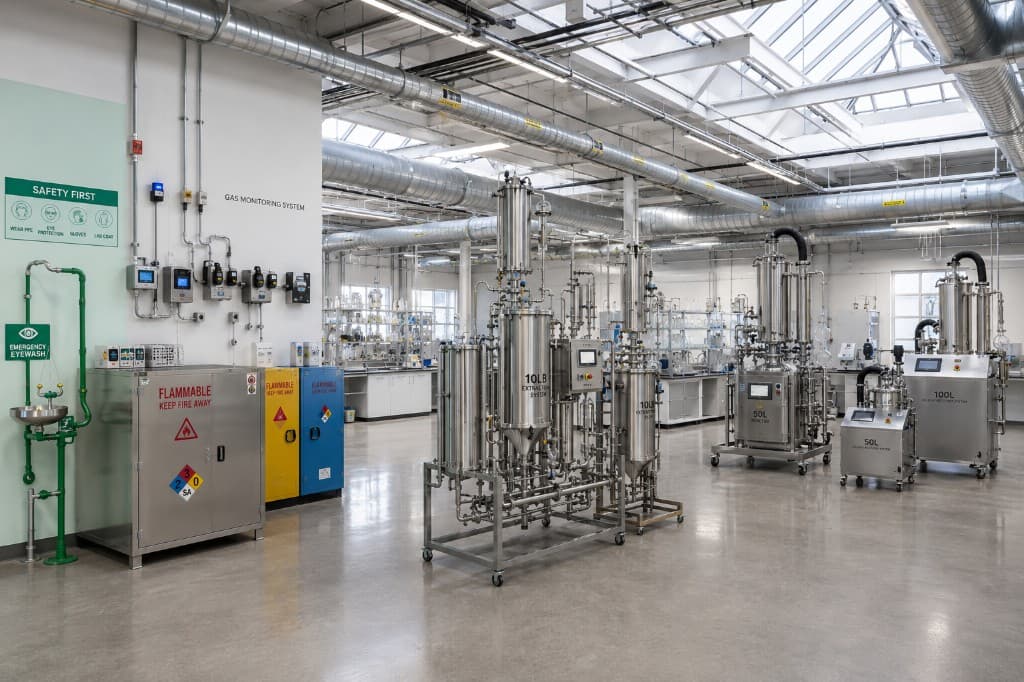
Safety should be the foundation of every cannabis extraction operation. Whether you're running a small processing lab or a large-scale manufacturing facility, the right extraction lab safety equipment helps protect employees, maintain product quality, and support regulatory compliance.
Cannabis extraction facilities often handle solvents, compressed gases, sensitive biological materials, and specialized laboratory processes. Without proper safety equipment, operators increase the risk of accidents, contamination, production disruptions, and costly compliance violations.
Investing in extraction lab safety equipment is not simply about meeting regulations—it's about creating a safer, more productive workplace that supports long-term business success. Many operators work with trusted suppliers like GreenLabGear to identify safety solutions that align with their facility requirements and operational goals.
In this guide, we'll cover the essential extraction lab safety equipment every cannabis facility should consider and explain how each component contributes to a safer operation.
TLDR – Quick Guide
- Safety equipment helps protect employees, products, and facility operations.
- Biosafety cabinets help reduce contamination risks during laboratory processes.
- Gas generators support safer and more reliable gas supply management.
- Sterilizers and autoclaves assist with sanitation and contamination control.
- Support equipment improves overall workplace safety and organization.
- Proper safety planning helps support regulatory compliance.
- Employee training should accompany all safety equipment investments.
- Regular inspections and maintenance help maximize safety performance.
Detailed Breakdown
Why Extraction Lab Safety Equipment Matters
Cannabis extraction facilities face unique operational challenges.
Potential risks may include:
- Solvent handling
- Biological contamination
- Equipment-related hazards
- Product quality issues
- Workplace accidents
Implementing appropriate extraction lab safety equipment helps facilities:
- Protect employees
- Improve operational reliability
- Reduce contamination risks
- Support compliance efforts
- Minimize downtime
- Improve product consistency
A proactive safety strategy often results in lower operating costs and fewer production interruptions over time.
Biosafety Cabinets
One of the most important tools for contamination control is a Biosafety Cabinet.
These specialized workstations help create controlled environments that protect both personnel and materials during laboratory procedures.
Benefits include:
- Reduced contamination risks
- Improved product handling
- Controlled airflow environments
- Enhanced laboratory cleanliness
Biosafety cabinets are especially valuable for facilities conducting testing, research, quality control, and sensitive laboratory work.
Best Practices
- Follow manufacturer operating procedures.
- Perform routine certification and maintenance.
- Train personnel on proper cabinet use.
- Avoid overcrowding work surfaces.
Proper usage is essential for maintaining effectiveness.
Gas Generators
Reliable gas supply is critical for many laboratory and processing applications.
Gas Generators provide on-site gas production, helping facilities improve operational reliability while reducing dependence on delivered gas cylinders.
Advantages include:
- Consistent gas availability
- Reduced cylinder handling
- Improved workplace safety
- Lower long-term operating costs
Facilities often use gas generators in analytical laboratories and testing environments where dependable gas supply is essential.
Safety Considerations
- Follow installation guidelines.
- Perform regular maintenance inspections.
- Monitor system performance.
- Train staff on proper operation.
Properly maintained systems contribute to a safer laboratory environment.
Sterilizers & Autoclaves
Contamination control plays a major role in maintaining product quality and workplace safety.
Sterilizers & Autoclaves help eliminate microorganisms and support sanitation protocols throughout the facility.
Applications may include:
- Laboratory equipment sterilization
- Tool sanitation
- Quality control workflows
- Research and development activities
Benefits include:
- Improved cleanliness
- Reduced contamination risks
- Better product consistency
- Enhanced quality assurance
Facilities with strong sanitation programs often experience fewer quality-related issues.
Support Equipment
Many safety improvements come from the tools that support daily operations.
Proper Support Equipment can help improve organization, workflow, and overall workplace safety.
Examples include:
- Laboratory carts
- Workstations
- Storage systems
- Utility equipment
- Material handling solutions
Benefits include:
- Reduced workplace clutter
- Improved organization
- Enhanced workflow efficiency
- Lower accident risks
Small operational improvements often have a significant impact on overall facility safety.
Facility Design and Safety Planning
Even the best extraction lab safety equipment cannot compensate for poor facility design.
A safe extraction facility should include:
Clear Workflow Paths
Employees should move efficiently between work areas without unnecessary obstacles.
Benefits include:
- Improved productivity
- Reduced accidents
- Better material handling
Proper Storage Areas
Dedicated storage helps reduce hazards associated with:
- Chemicals
- Solvents
- Laboratory supplies
- Production materials
Emergency Access
Facilities should maintain:
- Clear exits
- Accessible safety equipment
- Unobstructed walkways
- Visible emergency procedures
Good facility design supports safer day-to-day operations.
Employee Training Is Essential
Safety equipment is only effective when employees understand how to use it properly.
Training programs should cover:
- Equipment operation
- Emergency procedures
- Maintenance protocols
- Hazard recognition
- Incident reporting
Well-trained teams are more likely to identify risks before they become serious problems.
Ongoing training should be part of every facility's safety program.
Creating a Safety Culture
The most successful cannabis facilities view safety as an ongoing process rather than a one-time investment.
A strong safety culture includes:
Regular Equipment Inspections
Routine inspections help identify:
- Wear and tear
- Performance issues
- Maintenance needs
Preventive Maintenance
Maintaining equipment helps ensure:
- Reliable operation
- Regulatory readiness
- Reduced downtime
Continuous Improvement
Facilities should regularly evaluate:
- Safety procedures
- Equipment needs
- Training programs
- Operational risks
Continuous improvement helps facilities adapt to changing regulations and business needs.
When to Seek Professional Guidance
Every extraction facility has unique safety requirements.
Operators should consider consulting experienced professionals when:
- Designing a new facility
- Expanding operations
- Upgrading equipment
- Addressing compliance concerns
Facilities can also reach out through the Contact Page to discuss equipment options, facility planning considerations, and operational requirements.
Professional guidance can help identify potential risks before they become costly issues.
Common Safety Equipment Mistakes
Avoid these common mistakes when evaluating extraction lab safety equipment.
Focusing Only on Compliance
Meeting minimum requirements does not always provide optimal protection.
Neglecting Employee Training
Even advanced equipment can become ineffective without proper training.
Delaying Maintenance
Poorly maintained equipment may create additional safety risks.
Overlooking Facility Workflow
Safety equipment should complement efficient facility design and operations.
Waiting Until Problems Occur
Proactive planning is usually more effective and less expensive than reactive solutions.
Key Takeaways
- Extraction lab safety equipment helps protect employees, products, and operations.
- Biosafety cabinets support contamination control and laboratory safety.
- Gas generators improve gas supply reliability and reduce cylinder handling risks.
- Sterilizers and autoclaves support sanitation and quality control programs.
- Support equipment improves workplace organization and operational efficiency.
- Facility design plays a critical role in overall safety performance.
- Employee training should accompany all safety equipment investments.
- Preventive maintenance helps maximize equipment effectiveness.
- Continuous safety improvement supports long-term operational success.
- A proactive safety strategy reduces risk and improves facility performance.
FAQs
What is extraction lab safety equipment?
Extraction lab safety equipment includes tools and systems designed to protect employees, products, and facility operations. Examples include biosafety cabinets, sterilizers, gas generators, and support equipment. These systems help reduce risks associated with laboratory and extraction activities.
Why are biosafety cabinets important in cannabis facilities?
Biosafety cabinets create controlled environments that help reduce contamination risks during laboratory procedures. They protect both personnel and sensitive materials. Proper use helps support product quality and laboratory safety.
How do gas generators improve facility safety?
Gas generators provide a reliable on-site gas source and reduce dependence on delivered cylinders. This minimizes handling risks and improves operational consistency. They can also help lower long-term operating costs.
What role do sterilizers and autoclaves play in cannabis operations?
Sterilizers and autoclaves support sanitation programs by eliminating microorganisms from equipment and tools. They help maintain cleanliness and reduce contamination risks. Effective sanitation contributes to consistent product quality.
How often should extraction lab safety equipment be inspected?
Inspection schedules depend on equipment type and facility requirements. Regular inspections help identify maintenance needs and performance issues before they become serious problems. Following manufacturer recommendations is generally the best practice.