What Is a Solvent Recovery System and Why Does Your Cannabis Lab Need One?
Learn how a solvent recovery system cannabis labs use improves safety, saves solvent costs, and increases extraction efficiency.
Introduction
Running a cannabis extraction lab without a solvent recovery setup is like trying to scale production while pouring money down the drain. Solvents are one of the largest recurring costs in extraction workflows, and failing to recover them efficiently can create operational problems that impact profitability, consistency, and safety.
A solvent recovery system cannabis labs rely on is designed to capture, purify, and reuse solvents during extraction and post-processing. Instead of discarding expensive ethanol or hydrocarbon solvents after a single use, labs can recover a significant percentage and cycle them back into production. That means lower operating costs, improved environmental responsibility, and better long-term scalability.
As extraction labs continue to grow more competitive, efficient solvent management is no longer optional. Modern cannabis facilities need integrated systems that support stable throughput, maintain product quality, and reduce unnecessary waste. At Green Lab Gear, our equipment ecosystem is built around complete workflow efficiency, helping labs create scalable and dependable processing environments.
Whether you are building a new extraction facility or upgrading an existing operation, understanding how solvent recovery works can dramatically improve your lab’s performance.
TLDR Guide
A solvent recovery system cannabis labs use is designed to collect and reuse solvents during extraction and purification processes. These systems help reduce waste, improve extraction economics, increase process efficiency, and support safer laboratory operations.
The biggest benefits include:
- Lower solvent purchasing costs
- Reduced operational waste
- Better environmental compliance
- Improved workflow consistency
- Faster production scalability
- Enhanced lab safety
Most cannabis labs pair solvent recovery systems with supporting equipment such as vacuum pumps and closed loop extractors to create a more efficient extraction pipeline.
Labs using modern recovery systems are often able to:
- Recover high percentages of ethanol or hydrocarbons
- Reduce downtime between extraction cycles
- Improve solvent purity for reuse
- Lower long-term production costs
For growing cannabis operations, solvent recovery is one of the highest-impact infrastructure investments available.
Detailed Breakdown
What Is a Solvent Recovery System?
A solvent recovery system is specialized processing equipment that captures and recycles solvents used during cannabis extraction. Instead of disposing of solvents after a single extraction cycle, the system separates the solvent from extracted oils and allows it to be reused.
In cannabis extraction, solvents like ethanol and butane are commonly used to separate cannabinoids and terpenes from plant material. Once extraction is complete, those solvents need to be removed from the final product. This is where solvent recovery becomes essential.
The recovery process typically involves:
- Evaporation
- Condensation
- Temperature regulation
- Vacuum pressure control
The recovered solvent is then collected for reuse in future extraction runs.
Without a proper recovery system, cannabis labs often experience:
- Excessive solvent loss
- Higher operational expenses
- Inconsistent extraction quality
- Increased environmental waste
- Slower production cycles
As production volume increases, these inefficiencies become extremely expensive.
How Solvent Recovery Works in Cannabis Extraction
The extraction process starts when solvents pass through cannabis biomass to pull cannabinoids, terpenes, and other compounds from the plant material. After extraction, the solvent-rich solution enters a recovery phase where the solvent is separated from the extracted oil.
Most systems rely on controlled heat and vacuum pressure to lower solvent boiling points. This allows solvents to evaporate efficiently without damaging sensitive compounds.
The vaporized solvent then moves through a cooling and condensation system where it returns to liquid form for reuse.
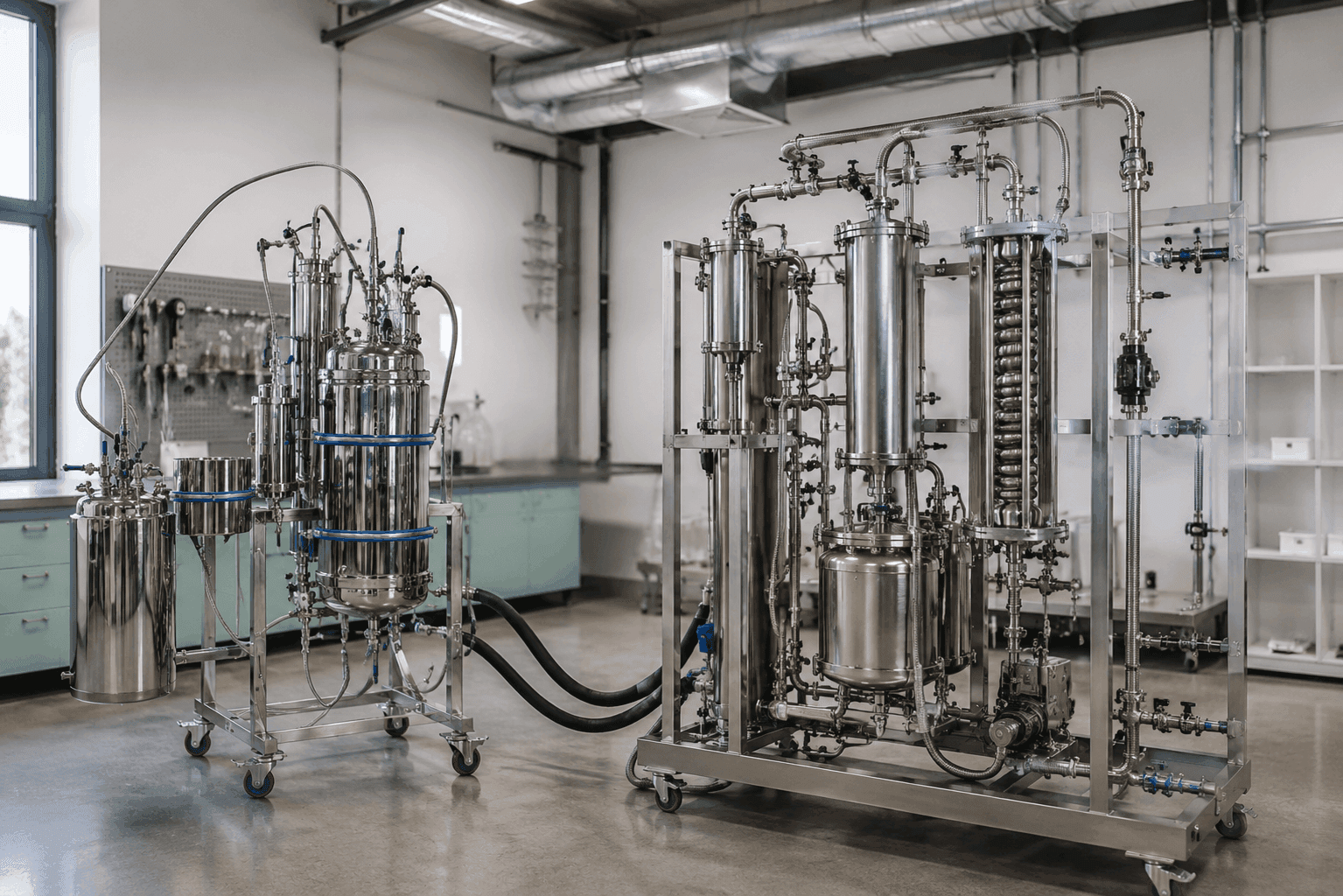
A complete solvent recovery workflow often includes:
- Rotary evaporators
- Chillers
- Vacuum systems
- Closed-loop extraction systems
- Condensers
- Collection vessels
Cannabis labs that integrate these components correctly usually achieve:
- Better throughput
- More stable production
- Improved extraction consistency
- Lower material waste
This is why many professional extraction facilities invest in complete processing ecosystems instead of isolated equipment purchases.
Why Solvent Recovery Matters for Cannabis Labs
Lower Operating Costs
Solvents are expensive, especially at commercial production scale. Labs processing large biomass volumes can spend substantial amounts on ethanol or hydrocarbons every month.
A solvent recovery system cannabis facilities use helps reduce repeat solvent purchases by recovering reusable material from every extraction cycle.
Over time, this can create:
- Significant monthly savings
- Improved production margins
- Faster equipment ROI
- More predictable operating expenses
For scaling labs, those savings compound quickly.
Improved Workflow Efficiency
Manual solvent handling slows production and creates inconsistencies between batches. Recovery systems streamline post-processing and reduce downtime between extraction cycles.
Efficient solvent recovery helps labs:
- Increase daily throughput
- Shorten turnaround times
- Standardize extraction workflows
- Improve process control
Operational consistency becomes increasingly important as labs expand production.
Better Product Quality
Temperature and pressure control directly impact terpene preservation and cannabinoid integrity. Poor solvent removal methods can degrade sensitive compounds and reduce product quality.
Modern recovery systems help create:
- Cleaner concentrates
- Better terpene retention
- More stable formulations
- Higher-quality extracts
Controlled recovery environments also support repeatable production standards, which are essential for regulated cannabis operations.
Enhanced Lab Safety
Handling volatile solvents requires proper engineering controls. Professional solvent recovery systems reduce direct solvent exposure and help maintain safer extraction environments.
Labs using integrated recovery systems often improve:
- Vapor containment
- Pressure management
- Temperature stability
- Workflow organization
Safety is not just a regulatory issue. It also affects operational reliability and long-term scalability.
Supporting Equipment That Improves Solvent Recovery
A solvent recovery setup works best when paired with properly matched support equipment.
Vacuum Pumps
Vacuum pumps play a critical role in solvent recovery by lowering system pressure and reducing boiling points during evaporation.
This helps:
- Protect heat-sensitive compounds
- Speed up recovery cycles
- Improve solvent separation efficiency
- Maintain stable operating conditions
Cannabis extraction workflows often depend heavily on vacuum-assisted processing to preserve product quality.
Closed Loop Extractors
Closed loop extractors help contain and recycle solvents throughout the extraction process. These systems are designed to minimize solvent loss while improving extraction precision.
Benefits include:
- Reduced solvent exposure
- Higher extraction efficiency
- Improved consistency
- Better solvent containment
Closed-loop systems are especially important for hydrocarbon extraction environments.
Solvent Recovery Systems
Professional solvent recovery systems integrate multiple recovery stages to maximize solvent reuse and operational efficiency.
At Green Lab Gear, these systems are designed to support scalable extraction environments with practical workflow integration and dependable temperature control.
Choosing the Right Solvent Recovery Setup
Not every recovery system fits every extraction lab. The ideal setup depends on:
- Production volume
- Extraction method
- Solvent type
- Throughput goals
- Facility size
- Compliance requirements
Smaller labs may prioritize:
- compact systems
- lower entry costs
- simplified workflows
Larger operations typically focus on:
- automation
- continuous processing
- large-capacity recovery
- higher throughput efficiency
Before purchasing equipment, labs should evaluate:
- solvent recovery rates
- cooling performance
- vacuum compatibility
- maintenance requirements
- scalability potential
Planning the full workflow instead of purchasing equipment individually often produces better long-term results.
Common Mistakes Cannabis Labs Make
Many extraction labs underestimate how important solvent management becomes during scaling.
Common mistakes include:
- Using undersized recovery systems
- Ignoring cooling requirements
- Poor vacuum integration
- Inconsistent maintenance
- Prioritizing upfront cost over efficiency
These problems often lead to:
- solvent loss
- bottlenecks
- inconsistent extraction quality
- higher operating costs
Labs that build around complete workflow integration usually avoid these production issues.
Key Takeaways
A solvent recovery system cannabis labs depend on is far more than a cost-saving accessory. It is a foundational part of modern extraction infrastructure that supports efficiency, consistency, safety, and scalability.
Labs that invest in integrated recovery systems often experience:
- lower solvent waste
- improved production economics
- faster extraction workflows
- more stable product quality
- better operational control
Pairing recovery systems with properly matched equipment such as vacuum pumps and closed-loop extractors creates a more reliable extraction environment and improves long-term scalability.
At Green Lab Gear, our extraction and post-processing equipment lineup is designed to help cannabis labs create practical, scalable workflows built for real production demands.
FAQs
What does a solvent recovery system do in a cannabis lab?
A solvent recovery system captures and reuses solvents after extraction is completed. Instead of discarding ethanol or hydrocarbons, the system separates them from extracted oils and prepares them for reuse. This helps reduce solvent waste, lower operating costs, and improve extraction efficiency.
Why are vacuum pumps important in solvent recovery?
Vacuum pumps help lower pressure inside the recovery system, which reduces solvent boiling points during evaporation. This allows labs to recover solvents more efficiently while protecting sensitive cannabinoids and terpenes from excessive heat exposure. Proper vacuum control also improves consistency and workflow stability.
Can solvent recovery systems improve extraction profitability?
Yes, solvent recovery systems can significantly reduce recurring solvent expenses over time. Labs processing large extraction volumes often recover substantial amounts of reusable solvent during each production cycle. Lower waste and improved efficiency can dramatically improve operational margins.
What is the difference between a closed-loop extractor and a solvent recovery system?
A closed-loop extractor is designed to contain and circulate solvents during the extraction process itself. A solvent recovery system focuses on separating and reclaiming solvents after extraction is complete. Many professional cannabis labs use both systems together for maximum efficiency and safety.
How do I choose the right solvent recovery system for my lab?
The right system depends on production volume, extraction method, solvent type, and long-term scaling goals. Smaller labs may need compact systems for batch processing, while larger facilities often require higher-capacity automated setups. Evaluating workflow compatibility and recovery efficiency is essential before purchasing equipment.